Tag: Spain

  • Presenting our Field Research and Practical Guide results to multiple schools.

    Presenting our Field Research and Practical Guide results to multiple schools.

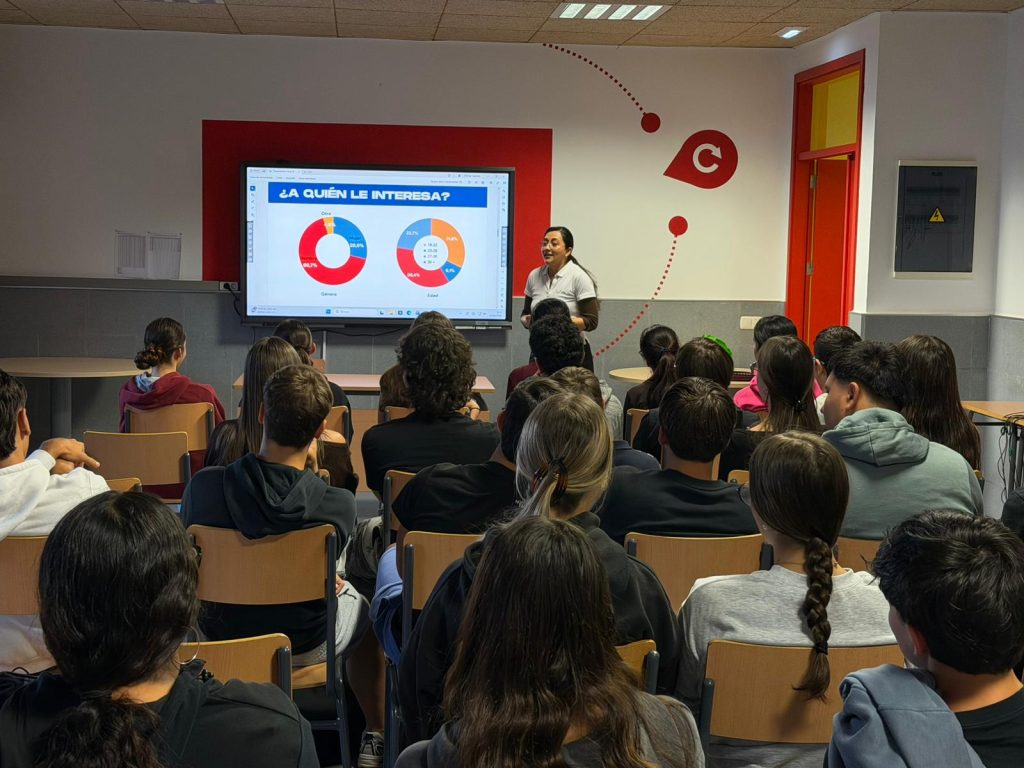
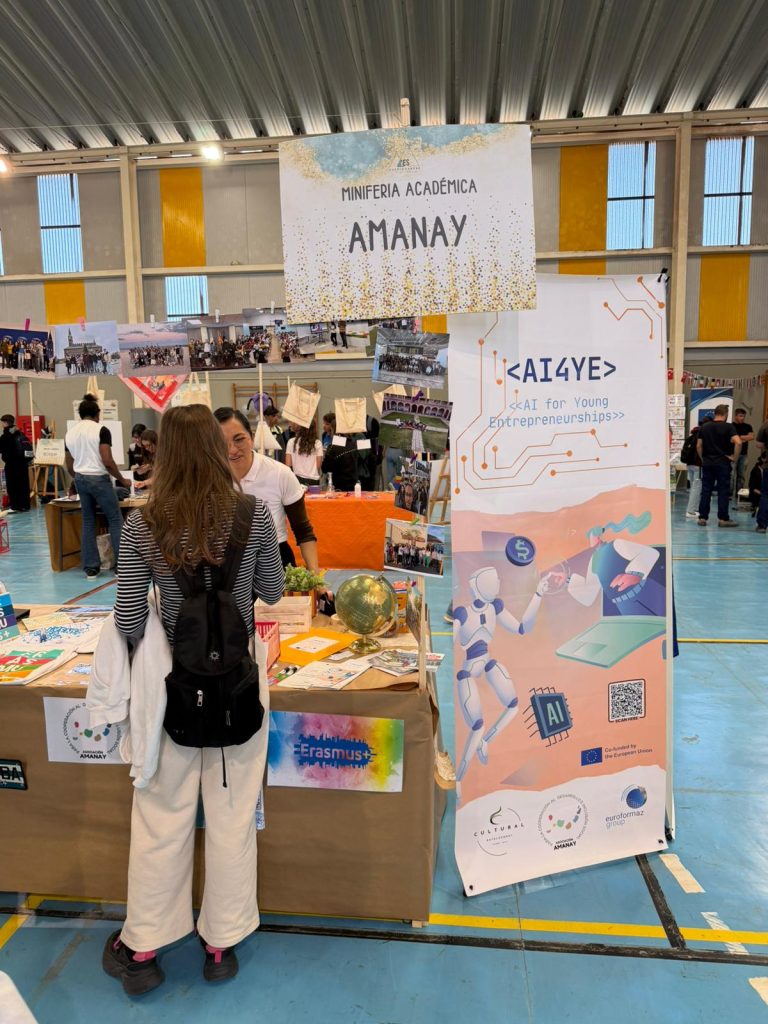
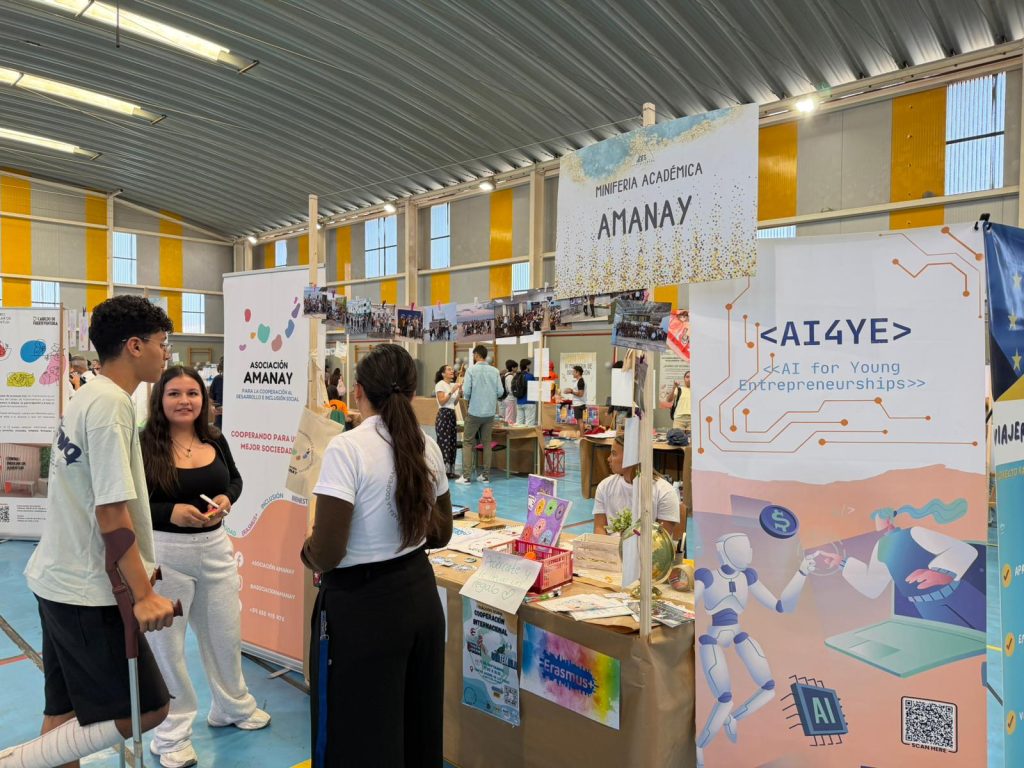
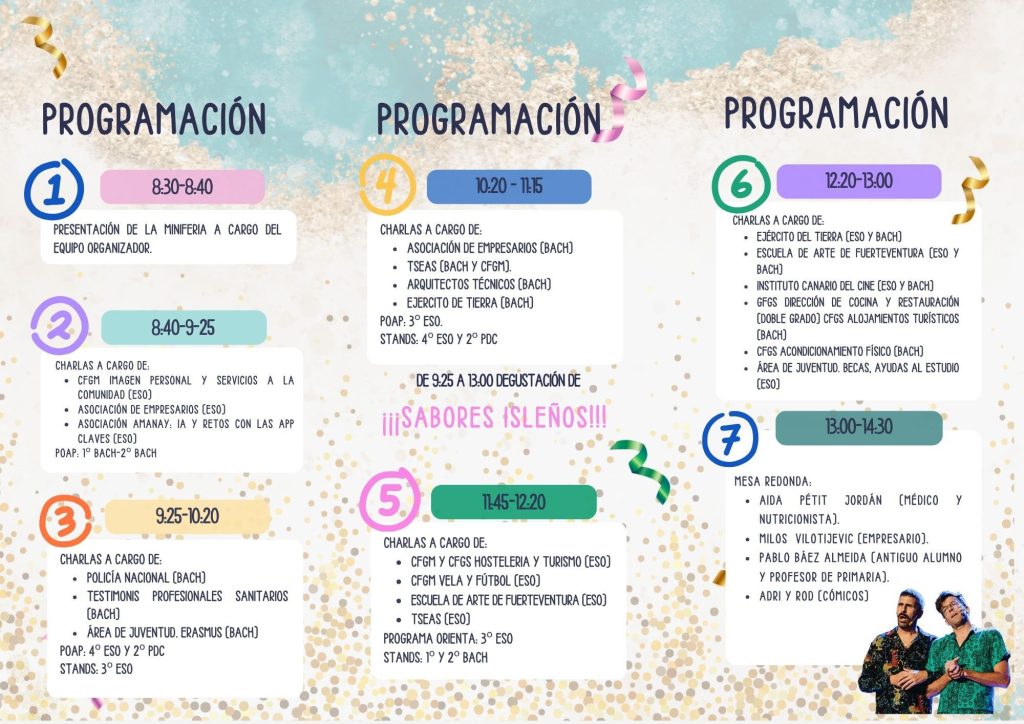
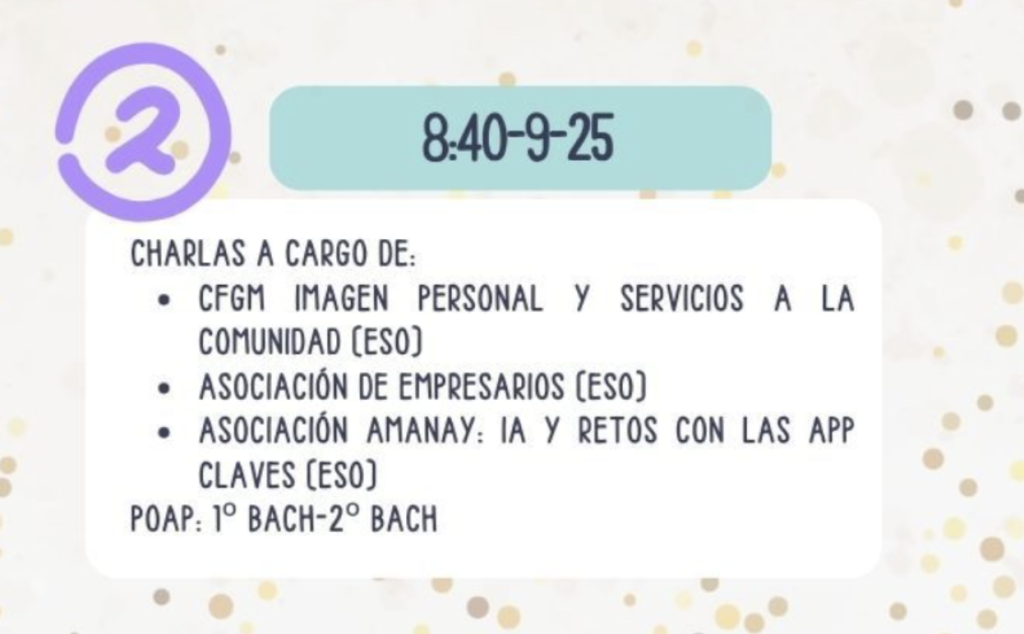
    On April 16th, we had the great luck of participating in the 6th Vocational Guidance Fair hosted by Rafael Baez High School and Vocational Education Center, in our capital city, Puerto del Rosario.

    This meeting was very special as if gathered students from seven other educational centers from our Island justs as other organizations that contribute to employability options for youngsters. The fair also promoted all the initiatives of the participant organization through the school podcast, which will be available for other students, teachers, and parents.

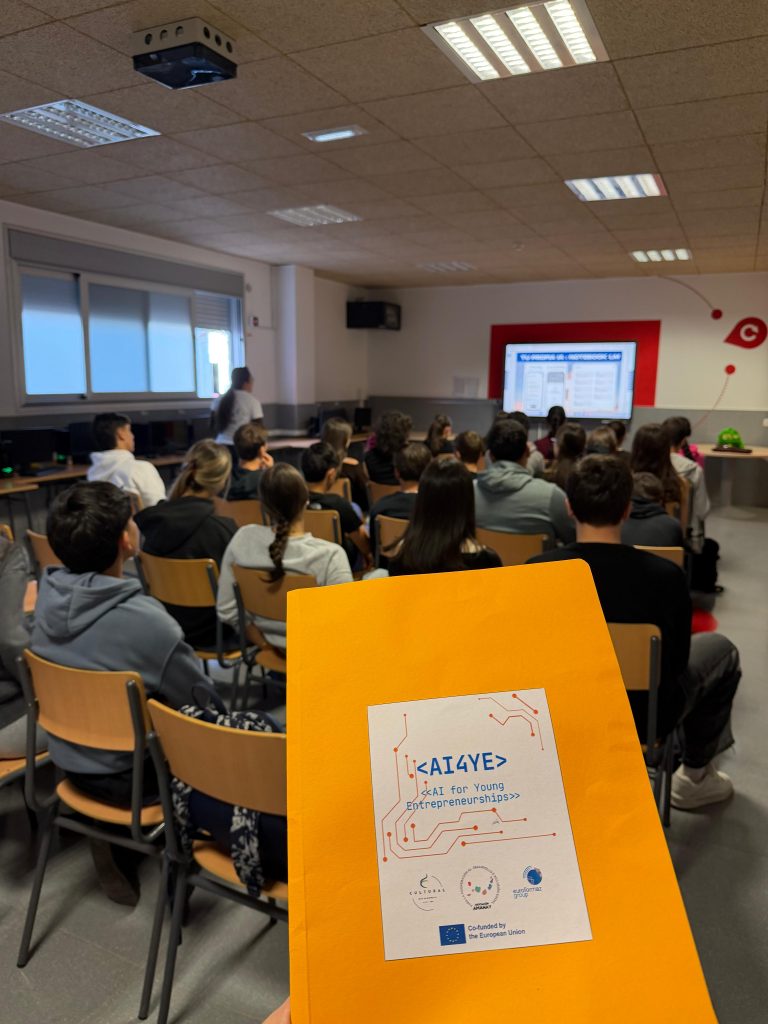
    So, what did we do? We started the day speaking to a big group of students and teachers about the basic AI apps they should know about through a small presentation of our field research and an interactive game. We also spent time giving them tips to erase their information from AI-powered tools and debated about the sources of information chatbot interfaces retrieve information from.
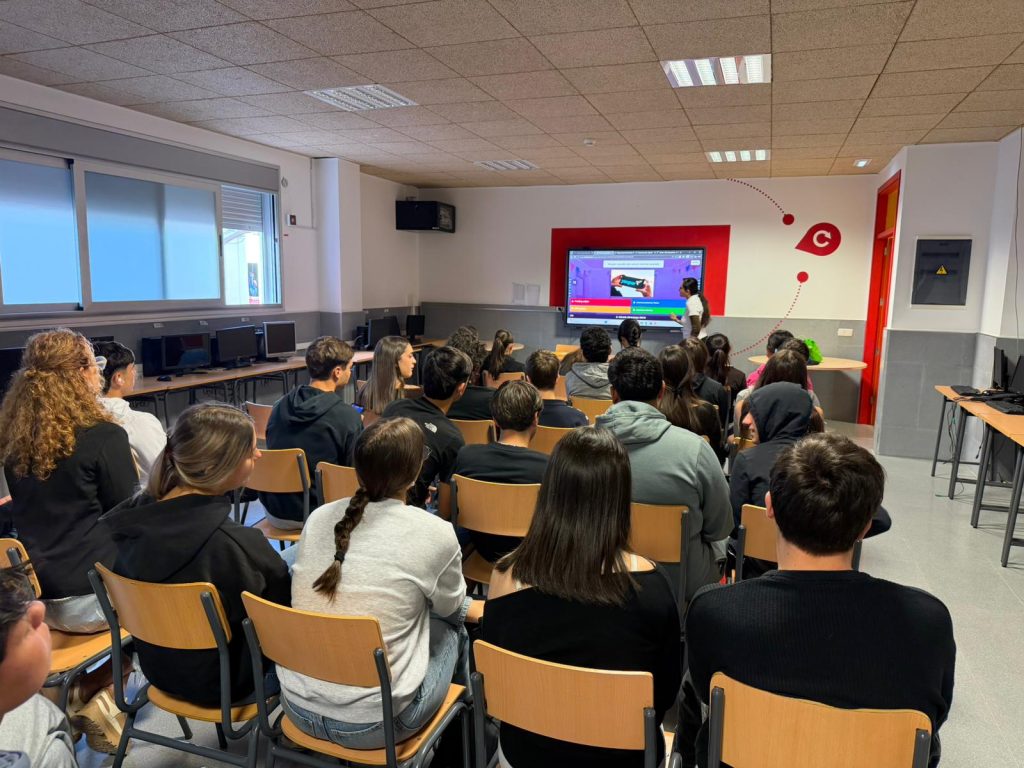
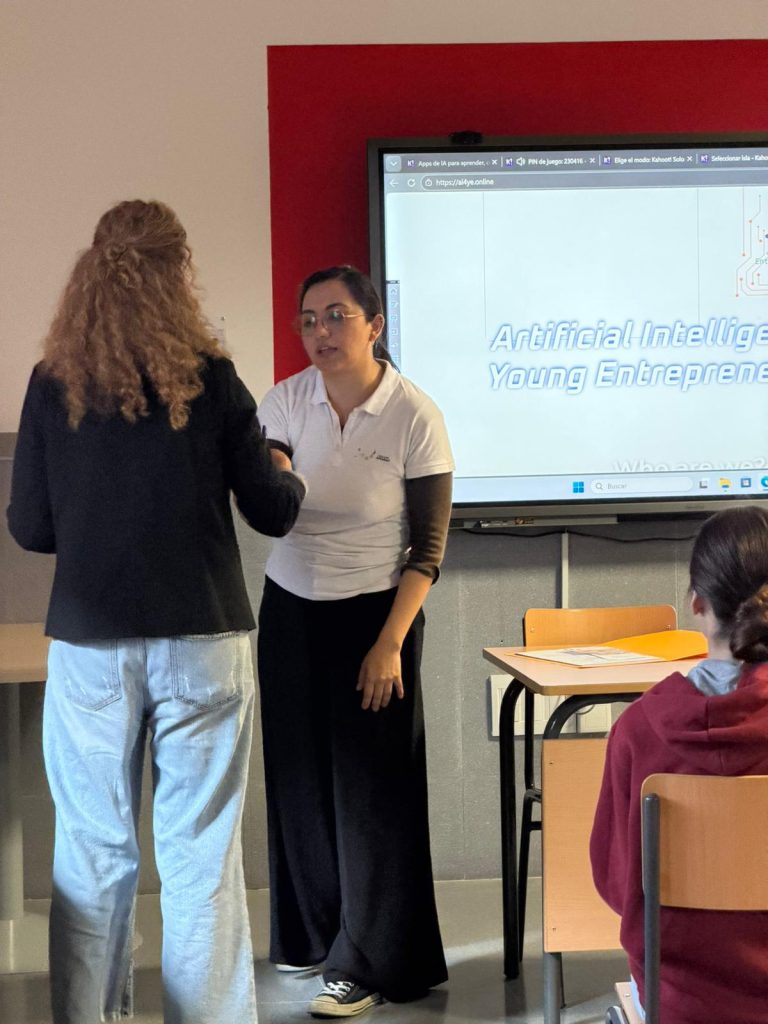
    The rest of the morning, we engaged with many students interested in how they could use AI in their everyday lives as students but also as athletes, artists, or cooks. They all gave proposals of activities where AI can be used, and also other proposals where AI cannot replace other people. Our perfect break was doing an interview for the school podcast, where we presented what Amanay does, and of course, our current project, AI4YE, which will soon host its dissemination event. An invitation was made to all the teachers and students interested in this topic.

    We took the time to share our project with other organizations like Fuerteventura’s Chamber of Commerce, where future entrepreneurs receive legal and economic support to start their businesses. We also approached the Business Owners’ Association of Puerto del Rosario; currently, there are more than 150 small businesses mapped in the capital. Their knowledge was very insightful as they highlighted the importance of activating local businesses through technology. Currently, they are developing an app (PROSA) that dynamizes local consumers with discounts, and provides all the info available to find the shop they need. But, more interestingly, they are incorporating an AI predictive technology that connects consumers and businesses in real time.

    It was an amazing day!
  • AI and mental health: Focus Group

    AI and mental health: Focus Group

    The impact of digitalisation of our daily life is not yet visible. However, it is linked to a decline in mental health, especially among young people. Even though anyone exposed to social media or online platforms can experience changes in behavior, young adults are the main consumers of the digital industry that has rapidly integrated in our routines.

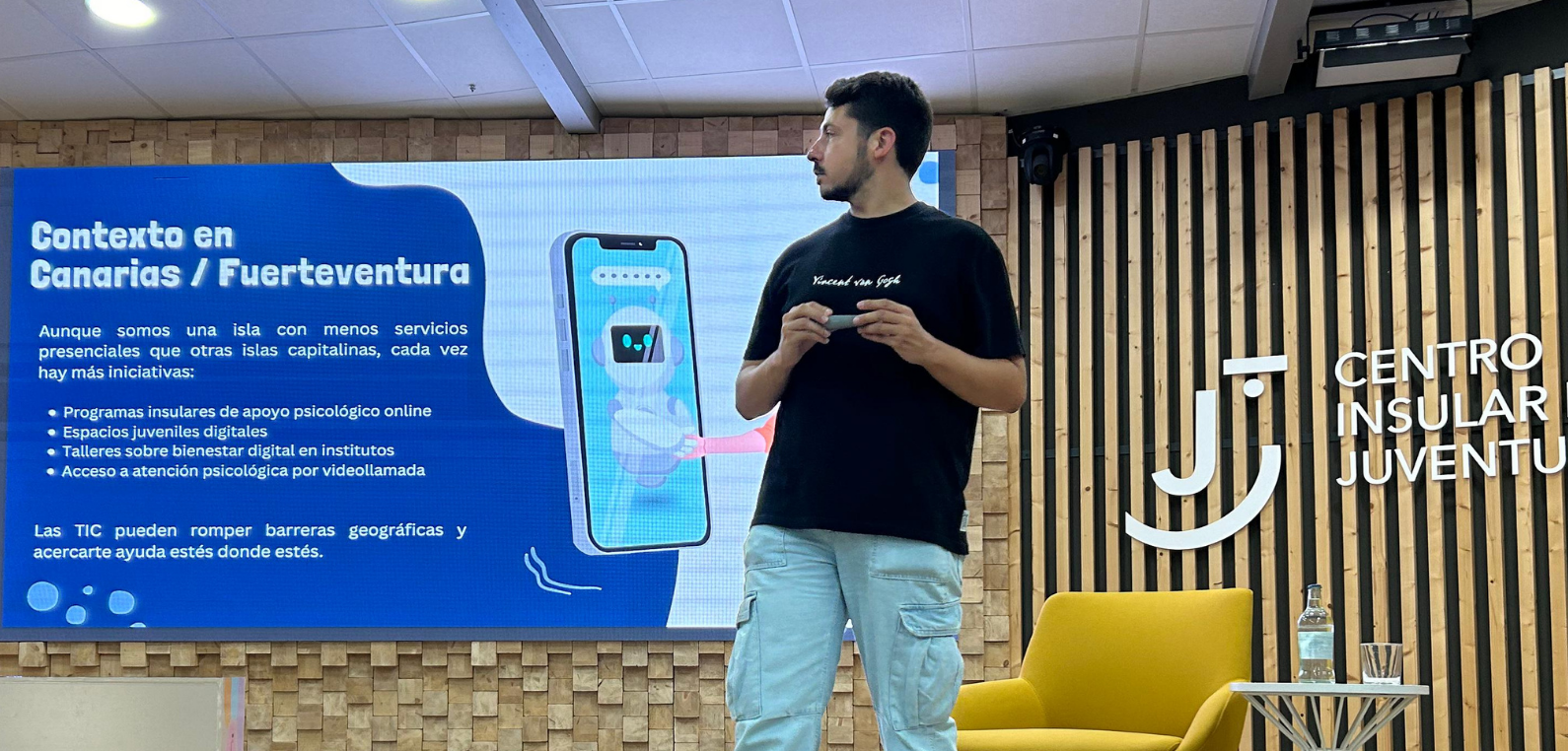
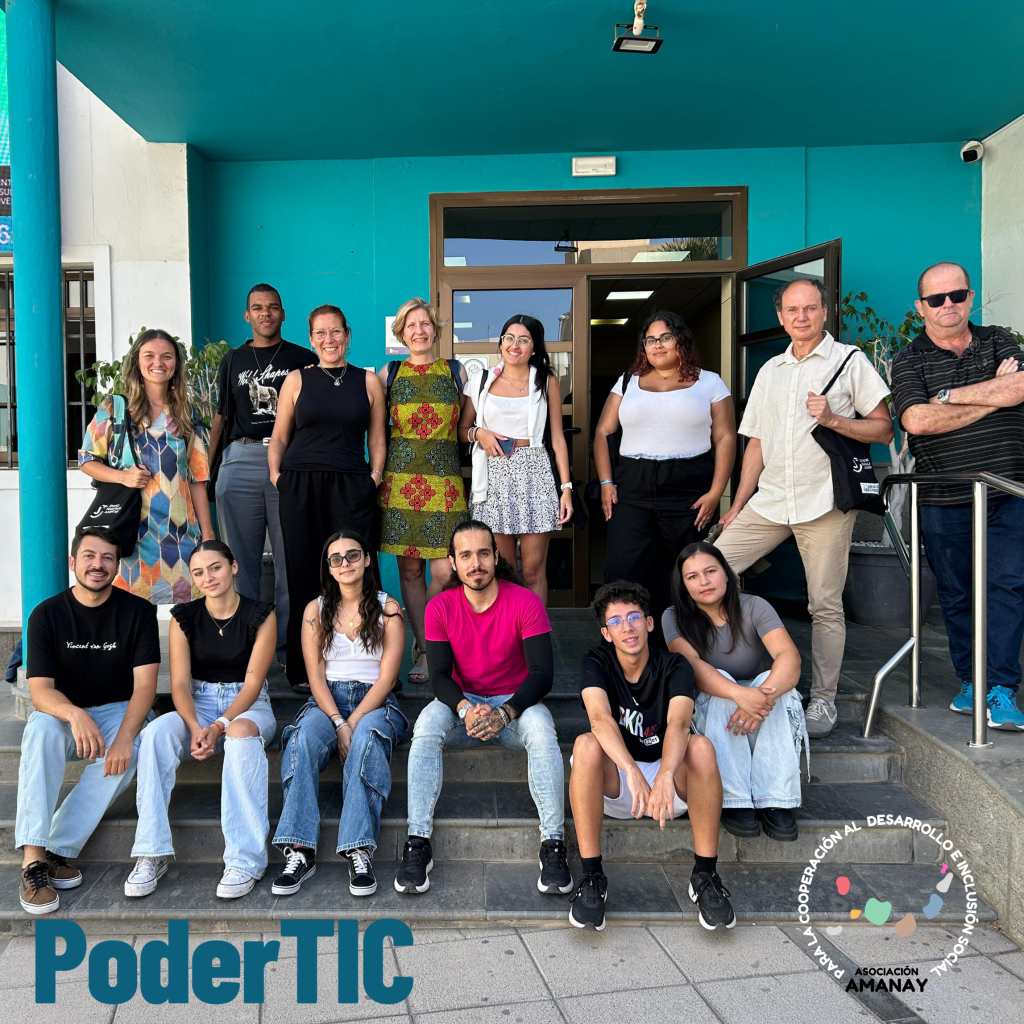
    Amanay held a focus group with youth professionals during the project Poder TIC, which aimed to exchange experiences and best practices in youth mental health. Our team members led a workshop on mental health tools available on the Island.

    The geographical barriers are part of the reality of living in Fuerteventura, therefore young people have less access to in person mental health services. This leaves options like:

    • Telephone help line
    • Videocall psychological therapy
    • Online psychological help programs
    • Emotional management apps
    • Public Health Services (when available)
    • Private Foundation Services
    • Youth Center as safe spaces.

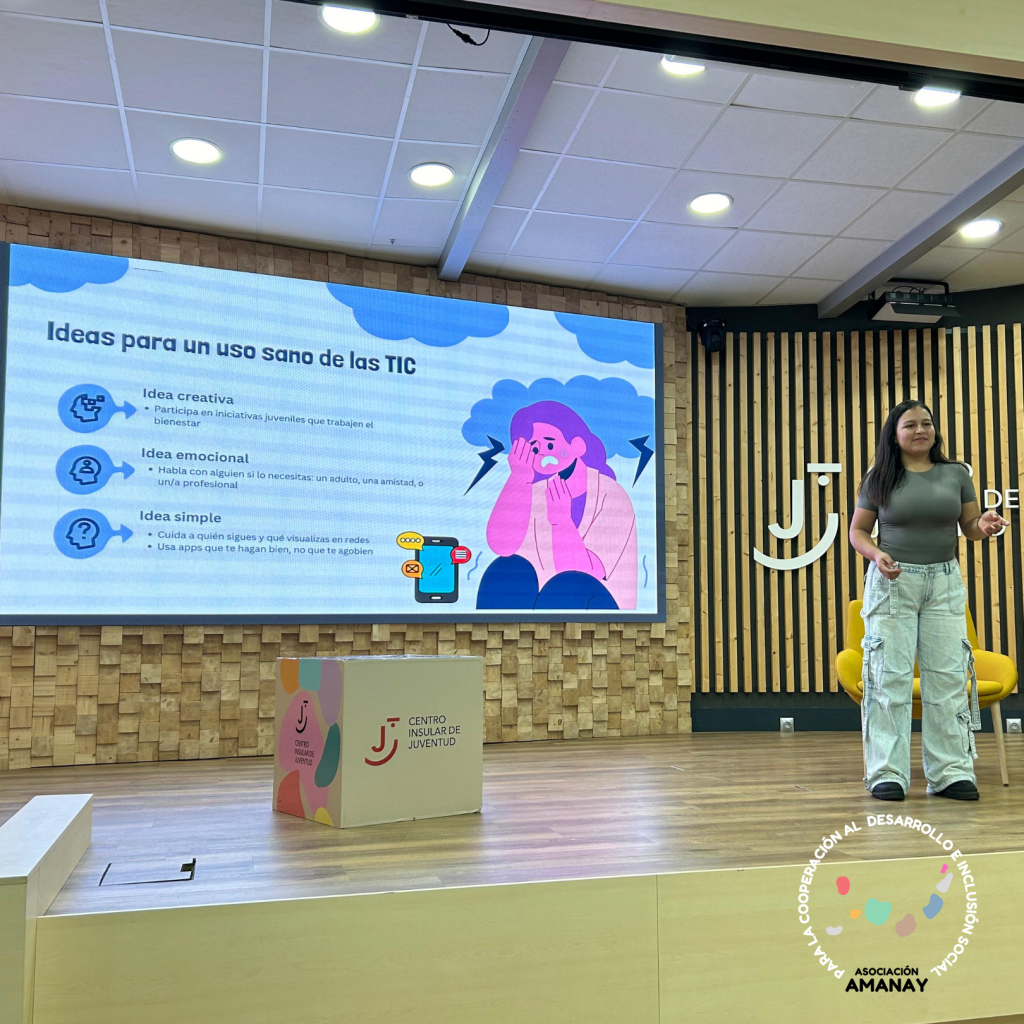
    This happened during June of 2025 and we noticed something striking: we didn’t know enough about AI based mental health tools in general. And we knew even less about tools directed to younger collectives. Nevertheless, we agreed on the fact that healthy use of ITC tools can influence wellbeing. Example of healthy ITC use include a positive approach towards tech consumption:

    • Creativity: participating in online initiatives that promote well being
    • Emotional awareness: which means talking about what and how technology affects us.
    • Simplicity: be very mindful of who we follow online, what we share just as the app we download.

    Mental health is not the absence of problems but the presence of coping mechanisms to manage emotions, go through experiences and seek help when needed.

    We can’t deny a great option to tackle mental wellbeing lack of services and professionals are digital mental health services. Access to mental health services is limited in general but has seen an ally in digital platforms when it comes to prevention. On the  other side of the coin, mainstreaming the use of AI turned out to be dangerous for even very general health doubts. So a study exploring societal implications of digital mental health technologies highlights interesting insights. Some examples of AI based tool are: specific mobile apps, chatbots and mental health monitoring or risk prediction algorithms

    These tools are not magical, they are fed with active and passive sources of information. Active sources of information will be provided to the app or platform by the user, like for example your personal data. But passive sources of information don’t need the user to do any specific action, just give permission, for example general mobile phone, internet and social media usage, voice/keystroke characteristics, sleep patterns, location information.

    Data related ethical issues arise and we will definitely go back to them: AI objectivity, algorithm bias, the opaqueness of algorithmic inferences and issues of false positives . 

    For now, the review of scientific literature identified the following challenges:

    1) changes to mental healthcare

    2) the effect of population-based monitoring including algorithm-triggered interventions and surveillance.

    (3) commodification (this essentially means something becomes a commodity or something that can be bought and sold even though they were not originally a product)

    Reference: Stein, O. A., & Prost, A. (2024). Exploring the societal implications of digital mental health technologies: A critical review. SSM – Mental Health, 6, 100373. https://doi.org/10.1016/j.ssmmh.2024.100373