Tag: AI

  • AI4YE Project Conducts Field in İzmir, Türkiye: Key Findings on AI and Youth Entrepreneurship

    AI4YE Project Conducts Field in İzmir, Türkiye: Key Findings on AI and Youth Entrepreneurship

    As part of the AI4YE – Artificial Intelligence for Young Entrepreneurship project, co-funded by the Erasmus+ Programme of the European Union, an extensive field research study was conducted in İzmir, Türkiye, focusing on the role of artificial intelligence in youth entrepreneurship.

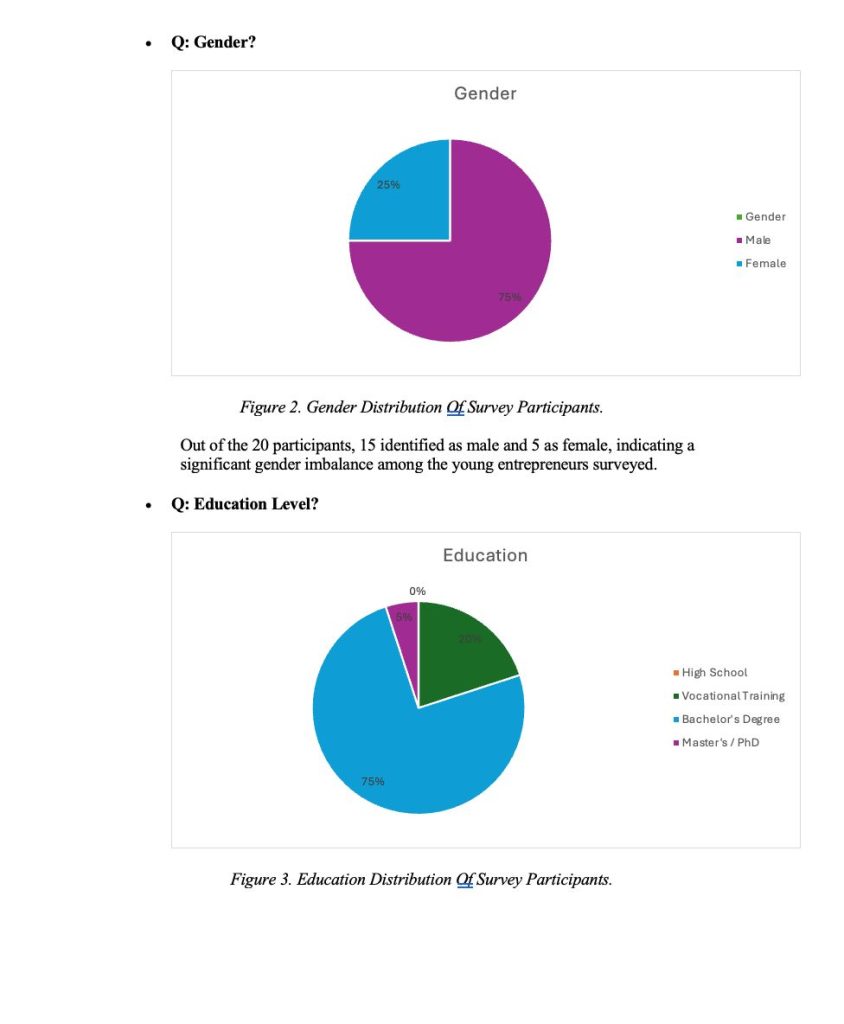
    This research brought together  with 20 young entrepreneurs aiming to better understand how AI is currently used, what challenges exist, and what opportunities lie ahead.
    Why This Research Matters

    Artificial Intelligence is rapidly transforming the entrepreneurial landscape. However, understanding how young entrepreneurs interact with these technologies is essential for designing effective support systems.

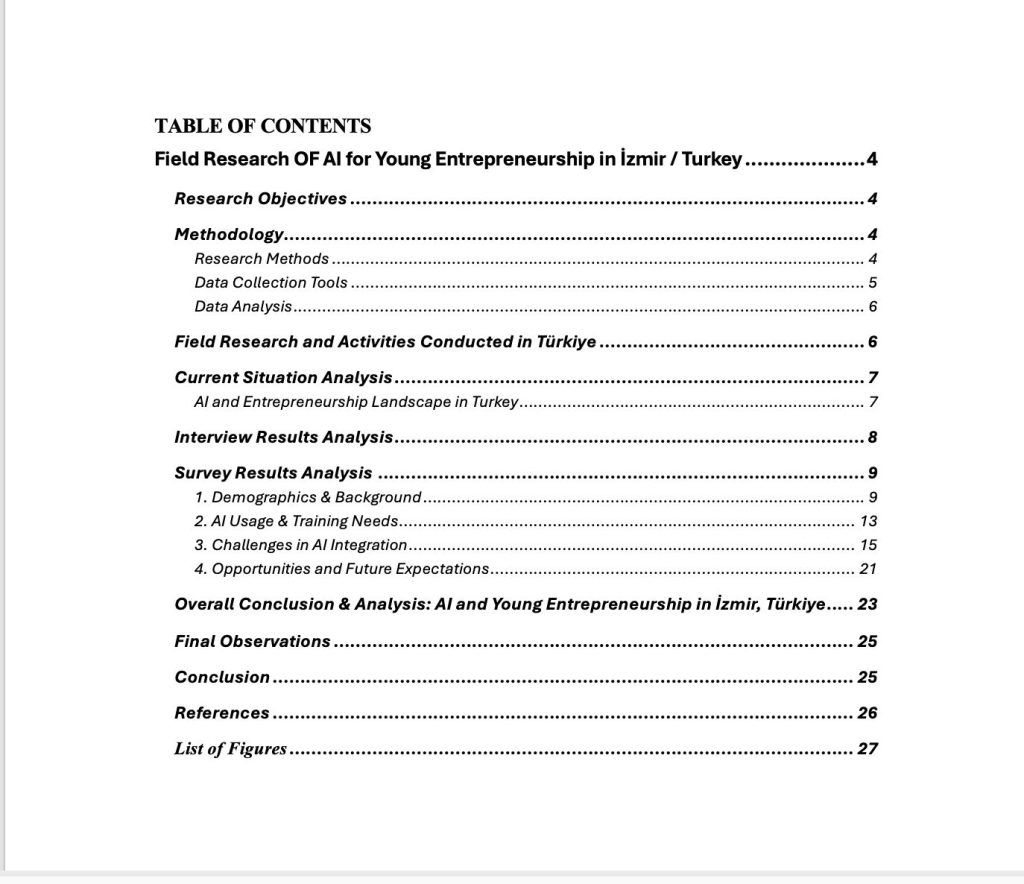
    The AI4YE field research aimed to:

    • Assess the level of AI adoption
    • Identify barriers and challenges
    • Explore opportunities for growth
    • Provide practical recommendations for policy and education

    Main Findings

    1. AI is Already a Core Tool for Young Entrepreneurs

    • 75% of participants actively use AI, while the remaining plan to adopt it soon
    • No participant rejected the importance of AI

    AI is no longer optional — it is becoming a standard business tool 
    2. AI is Seen as a Strong Advantage

    • 100% of respondents stated that AI is beneficial
    • Key benefits include:
      • Time-saving
      • Automation of repetitive tasks
      • Better decision-making
      • Improved marketing performance

    AI is clearly perceived as a growth accelerator 
    3. Major Barriers Still Exist

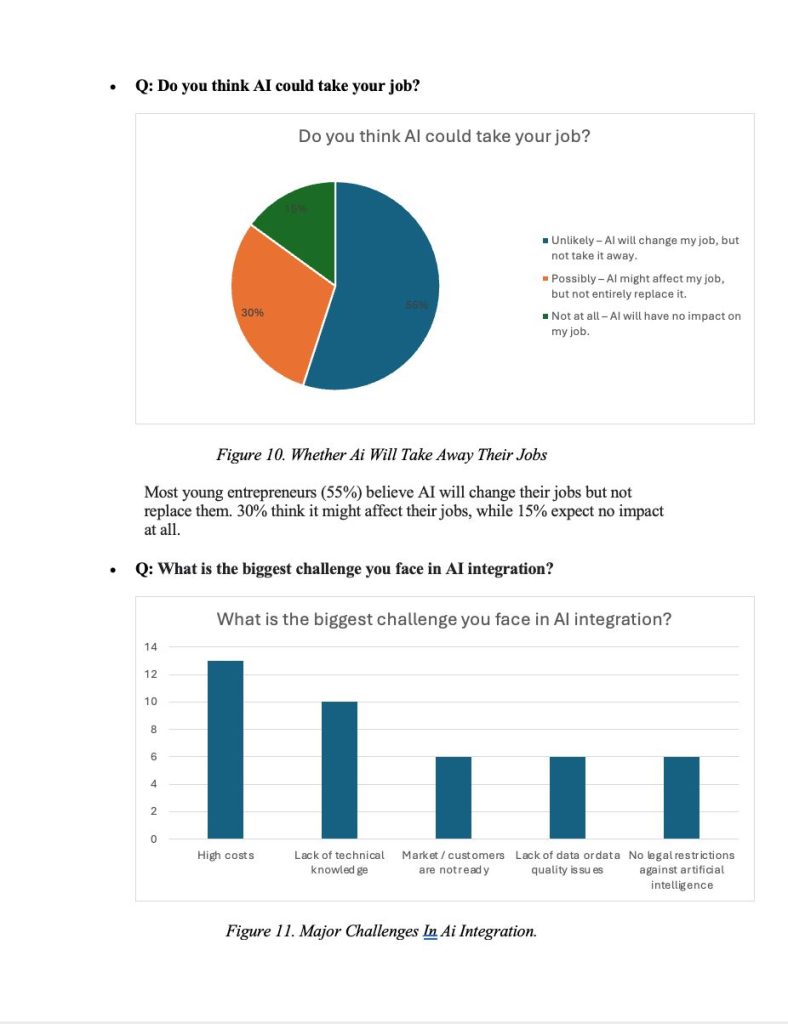
    The biggest challenges identified were:

    • High implementation costs (65%)
    • Lack of technical knowledge (50%)
    • Data quality and legal uncertainty

    These barriers show that access to AI is still uneven and limited 

    4. Strong Demand for Practical AI Training

    Young entrepreneurs expressed the need for:

    • AI-powered marketing training
    • Technical knowledge (machine learning, data analytics)
    • Legal and ethical guidance

    There is a clear shift from theory to hands-on, practical learning needs 

    5. AI is Driving Business Growth

    Participants highlighted that AI:

    • Improves operational efficiency
    • Enhances customer experience
    • Supports data-driven decision-making
    • Enables small businesses to compete with larger companies

    AI is becoming a competitive equalizer in the market 

    6. Ethical and Sustainability Awareness is Still Developing

    • Most participants are aware of AI’s impact
    • However, only a small portion actively considers ethical and environmental implications

    This highlights a critical need for responsible AI education 

    7. The Ecosystem is Growing — But Not Enough

    • Majority opinion: “Growing, but not sufficient”
    • Entrepreneurs call for:
      • Financial support
      • Better infrastructure
      • Public-private collaboration
      • Early-stage AI education

    Türkiye is at a turning point in AI entrepreneurship 

    Field Activities and Real-Life Insights

    The research included workshops with students and young entrepreneurs, interviews with AI experts and startup founders, company visits, surveys, and focus group discussions. These activities provided real-world insights into how AI is shaping entrepreneurial ecosystems in Türkiye.

    Conclusion

    The AI4YE field research in İzmir reveals a clear reality:

    Young entrepreneurs are ready for AI, but they need support, training, and access.

    With the right ecosystem, Türkiye has the potential to become a key player in AI-driven entrepreneurship, turning local innovation into global impact.

    About the Project

    AI4YE – Artificial Intelligence for Young Entrepreneurship is an Erasmus+ project aiming to empower young entrepreneurs with AI knowledge, tools, and practical skills across Europe.

    Co-funded by the European Union

    More Information
    www.ai4ye.online

  • Haddock: The AI partner that transforms restaurant management

    Haddock: The AI partner that transforms restaurant management

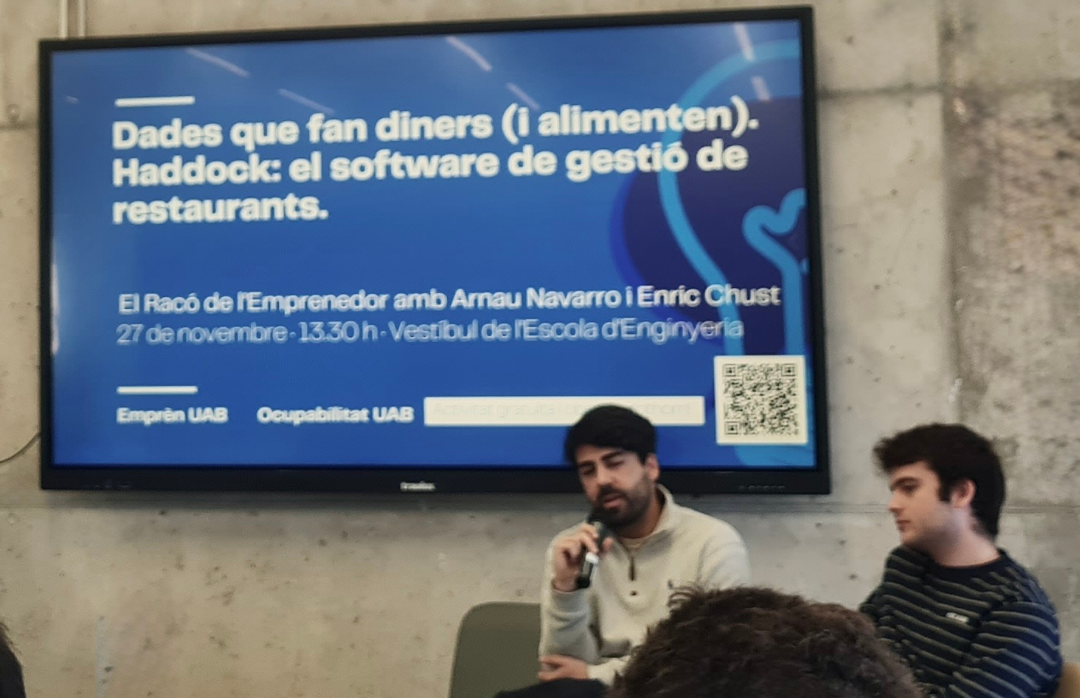
    On November 27, Asociación Amanay attended a talk at the Autonomous University of Barcelona (UAB) with Arnau Navarro, co-founder and CEO of Haddock, and Enric Chust, AI engineer. Under the title “Data that makes money (and feeds). Haddock: restaurant management software”, they shared his innovative vision for digitalization and automation in the restaurant sector. 

    What is Haddock?
    Haddock is a Software as a Service (SaaS) platform designed to help restaurants and bars improve business management and control costs with the use of AI. The platform works through an app. By taking a picture of invoices and delivery notes, it automatically extracts information and provides real-time income and expense data. This allows managers to track price variations, detect errors, and have instant financial control without waiting for month-end accounting.

    Fina: Their Digital Agent
    At the core of Haddock is Fina, a virtual AI agent that automates administrative and financial tasks. Fina reviews invoices, cross-checks them with delivery notes, and detects discrepancies such as incorrect prices or duplicate charges, saving hours of work for the team. This enables restaurant professionals to focus on cuisine, service, and strategic decision-making, while Haddock handles repetitive and time-consuming processes.

    Outcome
    Haddock is not about replacing people—it’s about creating a synergy between humans and technology. Thanks to this innovation, restaurants can work more efficiently, reduce invisible losses, and better adapt to economic challenges such as inflation or managing multiple locations. Since its founding during the pandemic, Haddock has grown rapidly, gaining clients like Flax&Kale, Crep Nova, and Isabella’s, as well as acclaimed chefs who trust the platform to optimize their operations.

    What’s next?

    After joining the Y Combinator accelerator in 2022 and closing a €1 million funding round, Haddock has expanded in Spain and Portugal with the goal of becoming a European reference in restaurant management software. Its mission is to help restaurant owners make smarter decisions, save time, and improve the efficiency of their businesses.

    It was inspiring to see firsthand how technology can free up restaurant teams’ time and help them make strategic decisions with real-time data.

  • AI is Changing the World! 

    AI is Changing the World! 

  • Company Visit to Eurotransit Group Srl – Young People, AI, and Innovation in the Logistics of the Future

    Company Visit to Eurotransit Group Srl – Young People, AI, and Innovation in the Logistics of the Future

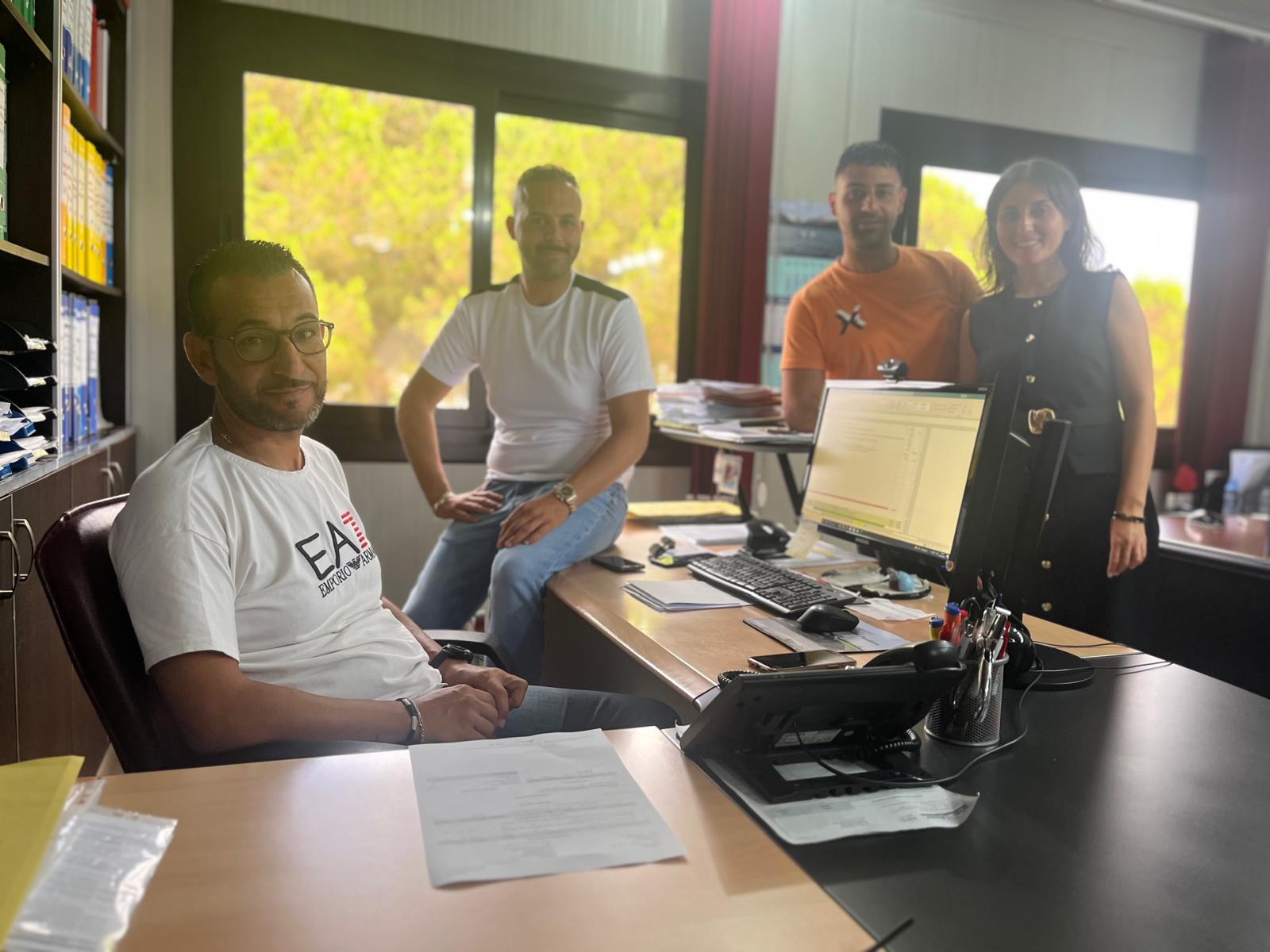
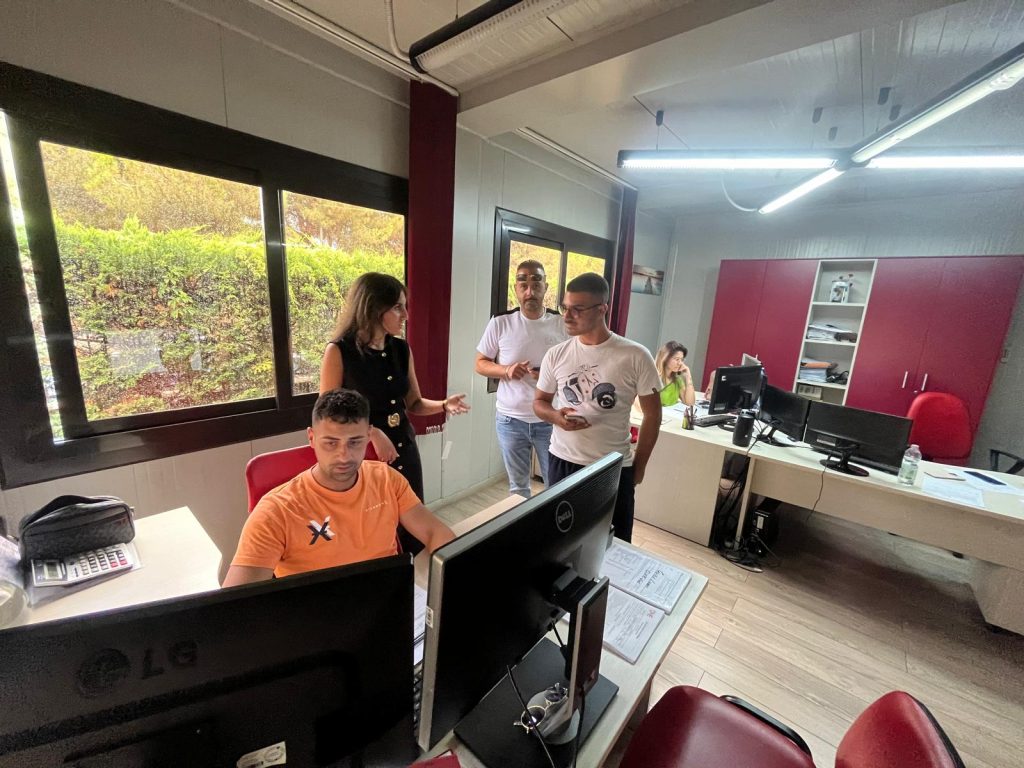
    As part of the Erasmus+ AI4YE (Artificial Intelligence for Young Entrepreneurs) project, a company
    visit was organized at Eurotransit Group Srl, a national and international container shipping company
    based in San Ferdinando, near the port of Gioia Tauro, one of the main logistics hubs in the Mediterranean.


    The visit provided an important opportunity to learn more about intelligent logistics and the practical application of artificial intelligence in freight transport and management. Eurotransit collaborates with major operators in the sector, including Ocean Network Express (ONE), the seventh-largest
    shipping company in the world, which has initiated the large-scale adoption of smart containers equipped with IoT and AI technologies, real-time tracking systems, and advanced sensors developed in partnership with Sony Network Communications Europe.


    Eurotransit Group is integrated into this technologically advanced supply chain, operating nationally and internationally with tracking and management systems that leverage data generated by these
    technologies. This approach enables more transparent, efficient, and sustainable logistics, where artificial intelligence is central to predictive analytics, route optimization, and proactive shipment
    management.


    Another key aspect of the visit was the interaction with young entrepreneurs and professionals who actively contribute to the company’s growth, demonstrating how innovation is not only technological but also cultural and generational.
    This experience strengthened the connection between technology and youth entrepreneurship, offering a concrete example of how artificial intelligence can create new economic and professional opportunities through the integration of intelligent systems in key sectors such as logistics, in line with global digital transformations, becoming role models for a modern, competitive, and forward-looking economy.

    Full album here: Facebook

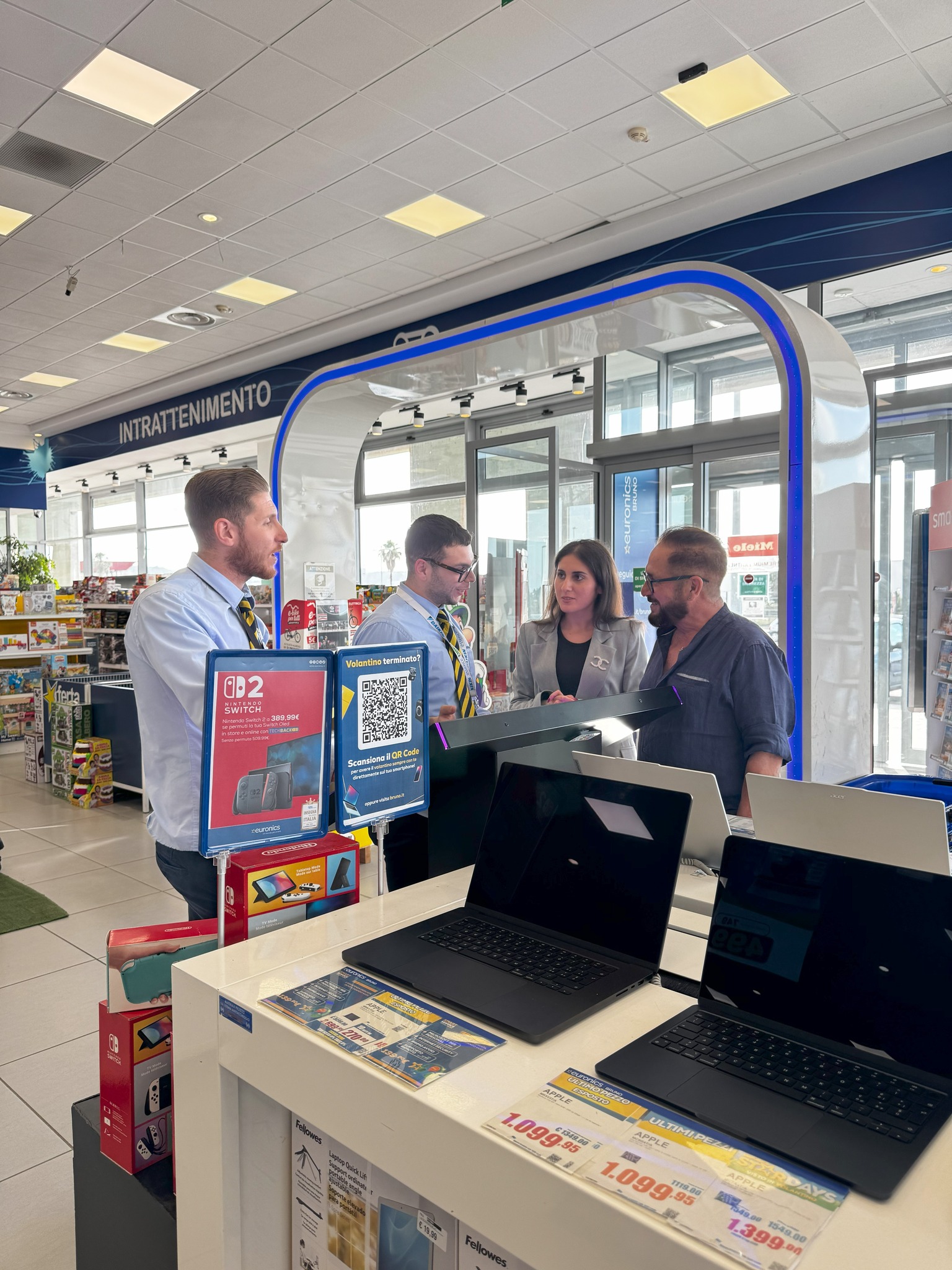
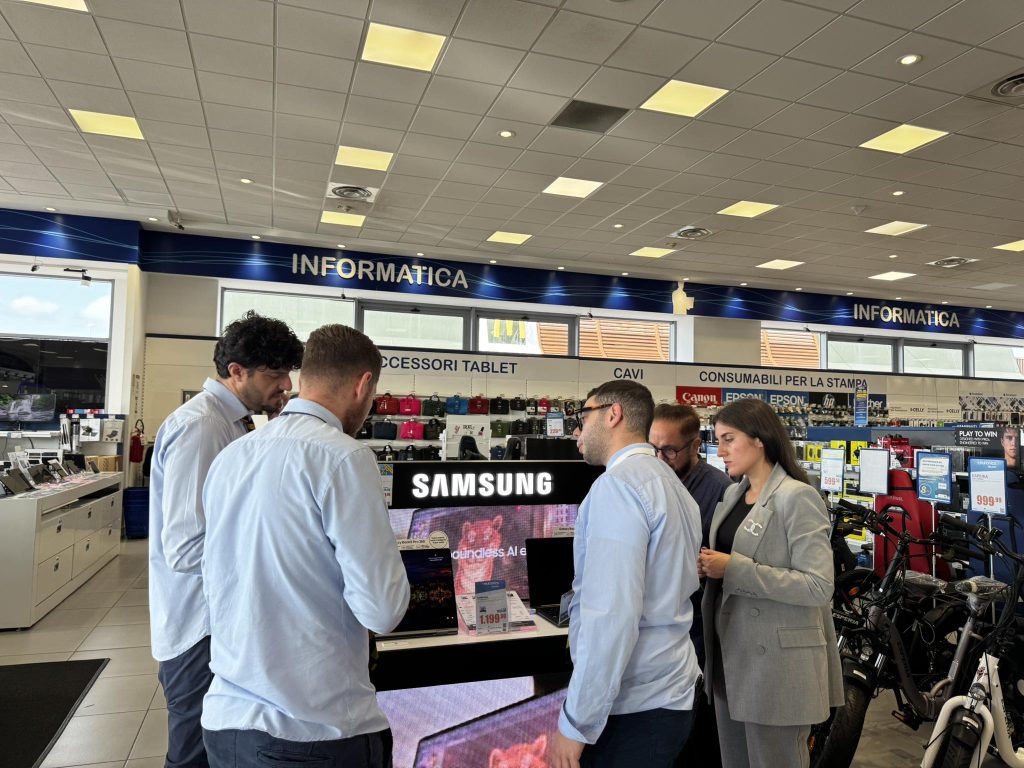
  • Company Visit to Euronics in Gioia Tauro

    Company Visit to Euronics in Gioia Tauro

  • AI for Sustainability: How Technology is Fighting Climate Change 🌍💚

    AI for Sustainability: How Technology is Fighting Climate Change 🌍💚

  • AI and mental health: Focus Group

    AI and mental health: Focus Group

    The impact of digitalisation of our daily life is not yet visible. However, it is linked to a decline in mental health, especially among young people. Even though anyone exposed to social media or online platforms can experience changes in behavior, young adults are the main consumers of the digital industry that has rapidly integrated in our routines.

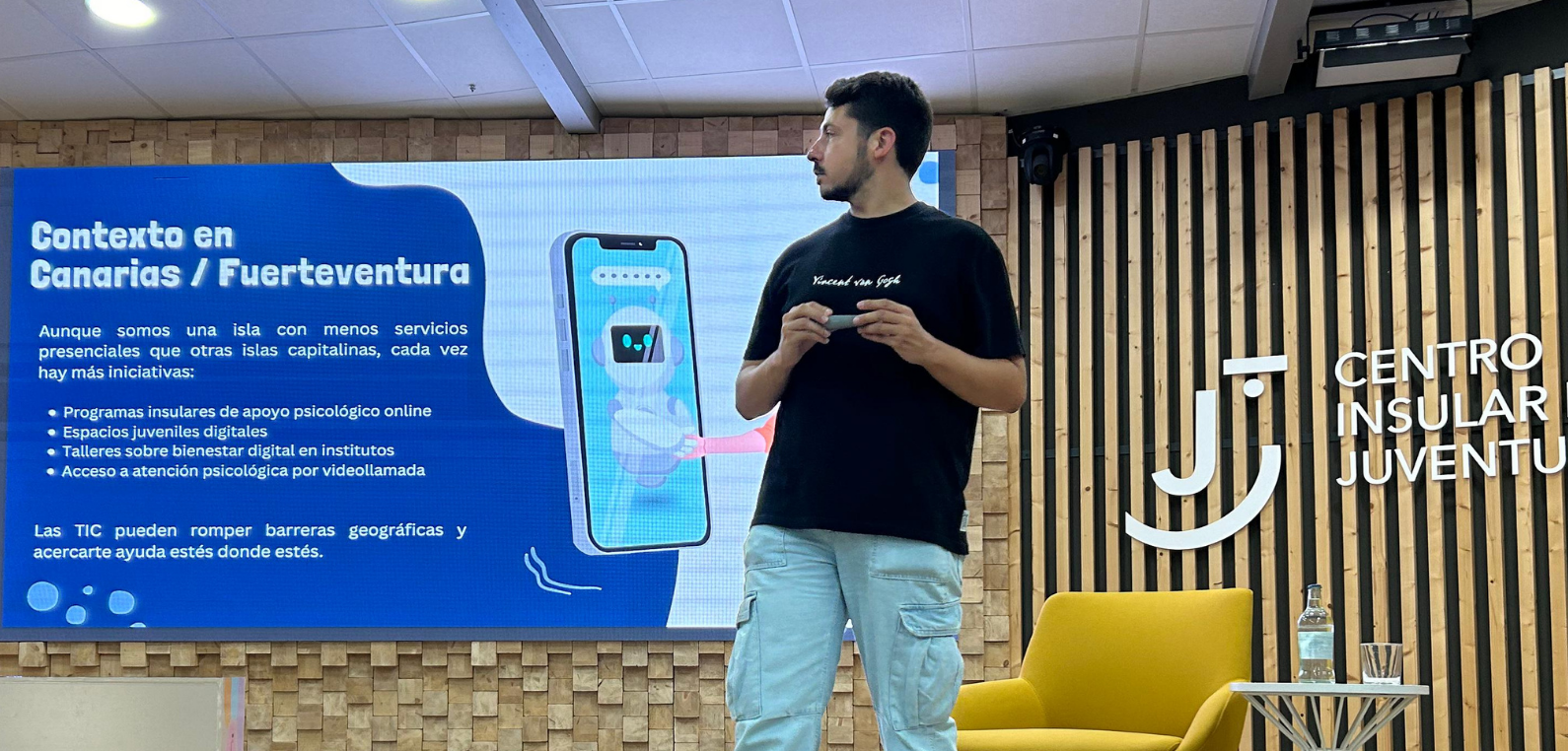
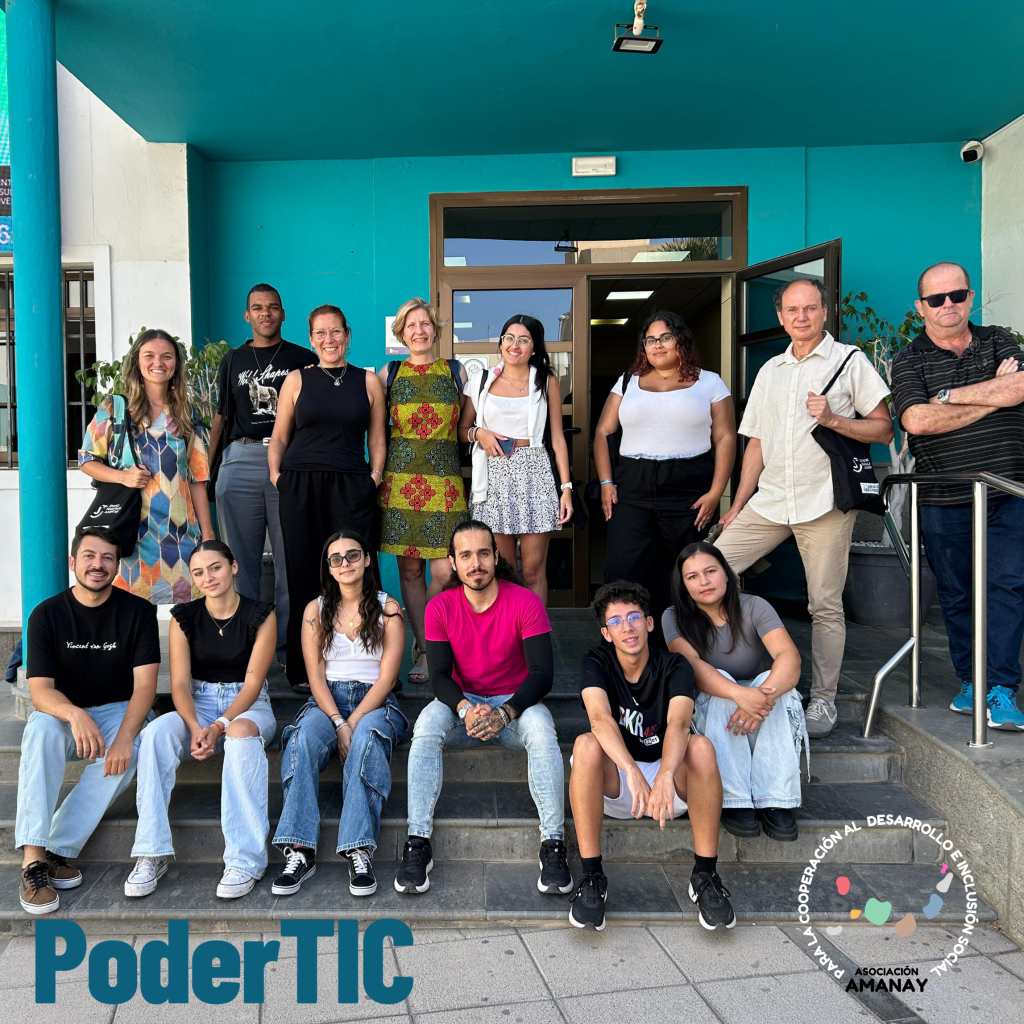
    Amanay held a focus group with youth professionals during the project Poder TIC, which aimed to exchange experiences and best practices in youth mental health. Our team members led a workshop on mental health tools available on the Island.

    The geographical barriers are part of the reality of living in Fuerteventura, therefore young people have less access to in person mental health services. This leaves options like:

    • Telephone help line
    • Videocall psychological therapy
    • Online psychological help programs
    • Emotional management apps
    • Public Health Services (when available)
    • Private Foundation Services
    • Youth Center as safe spaces.

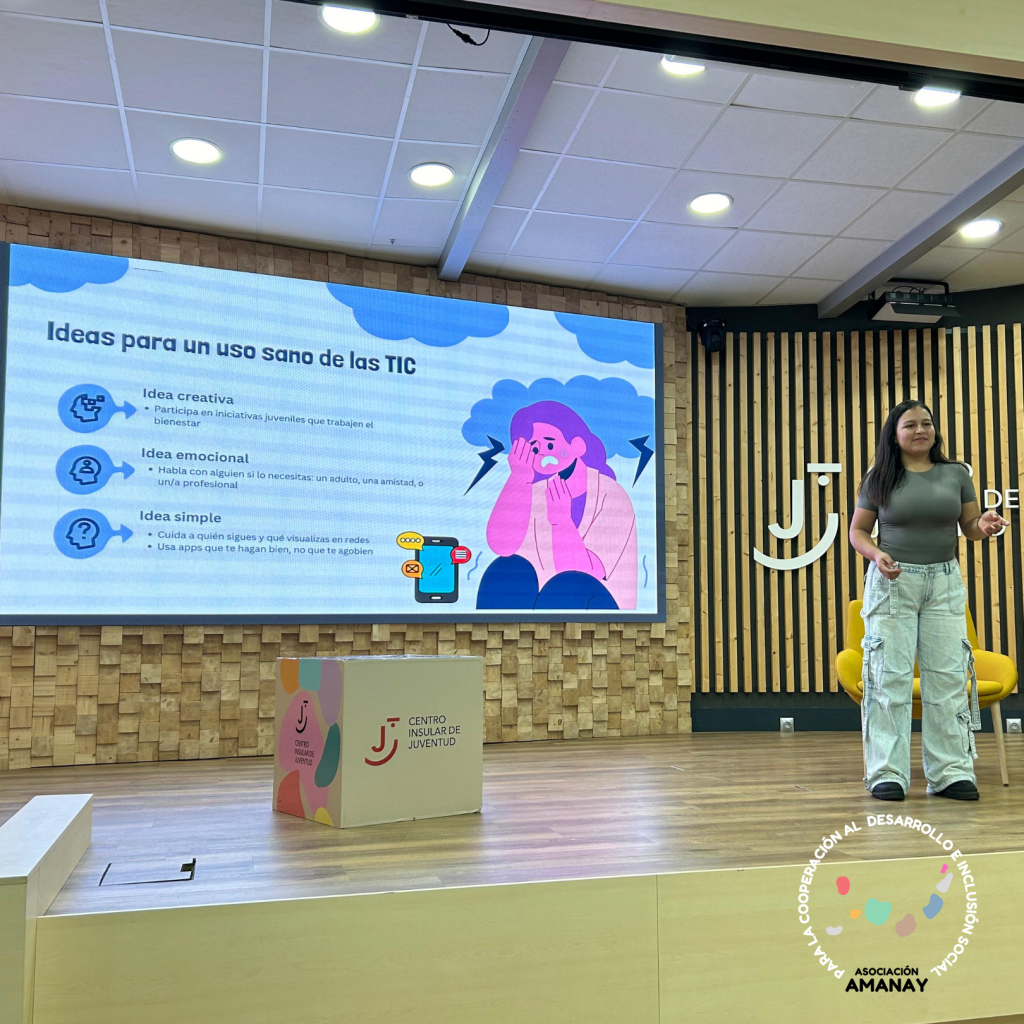
    This happened during June of 2025 and we noticed something striking: we didn’t know enough about AI based mental health tools in general. And we knew even less about tools directed to younger collectives. Nevertheless, we agreed on the fact that healthy use of ITC tools can influence wellbeing. Example of healthy ITC use include a positive approach towards tech consumption:

    • Creativity: participating in online initiatives that promote well being
    • Emotional awareness: which means talking about what and how technology affects us.
    • Simplicity: be very mindful of who we follow online, what we share just as the app we download.

    Mental health is not the absence of problems but the presence of coping mechanisms to manage emotions, go through experiences and seek help when needed.

    We can’t deny a great option to tackle mental wellbeing lack of services and professionals are digital mental health services. Access to mental health services is limited in general but has seen an ally in digital platforms when it comes to prevention. On the  other side of the coin, mainstreaming the use of AI turned out to be dangerous for even very general health doubts. So a study exploring societal implications of digital mental health technologies highlights interesting insights. Some examples of AI based tool are: specific mobile apps, chatbots and mental health monitoring or risk prediction algorithms

    These tools are not magical, they are fed with active and passive sources of information. Active sources of information will be provided to the app or platform by the user, like for example your personal data. But passive sources of information don’t need the user to do any specific action, just give permission, for example general mobile phone, internet and social media usage, voice/keystroke characteristics, sleep patterns, location information.

    Data related ethical issues arise and we will definitely go back to them: AI objectivity, algorithm bias, the opaqueness of algorithmic inferences and issues of false positives . 

    For now, the review of scientific literature identified the following challenges:

    1) changes to mental healthcare

    2) the effect of population-based monitoring including algorithm-triggered interventions and surveillance.

    (3) commodification (this essentially means something becomes a commodity or something that can be bought and sold even though they were not originally a product)

    Reference: Stein, O. A., & Prost, A. (2024). Exploring the societal implications of digital mental health technologies: A critical review. SSM – Mental Health, 6, 100373. https://doi.org/10.1016/j.ssmmh.2024.100373

  • AI in Medicine: The Latest Breakthroughs in Healthcare 🩺🤖

    AI in Medicine: The Latest Breakthroughs in Healthcare 🩺🤖