Following the third result of our project, the Ethical Rules, we decided to continue exploring how AI is changing how we create and consume culture, art, and music.
For this reason, we joined Angie, a music journalist interested in the role of algorithms in the music industry. In her radio segment, we presented the results of the AI4YE project and debated what are the risks of using AI when creating music and the consequences it has.
Moreover, we discussed what music apps are doing to protect the creators and to identify AI -generated music, eg. Deezer, Spotify, or Juno AI.
Although our collaboration is available in Spanish, here are some apps to translate your favourite podcasts into different languages to share around the world:
ChatGPT is able to transcribe audio with its new speech-to-text feature. You can easily translate it using DeepL.
Check out other useful apps in our Practical Guide!
Episode Summary:
Artificial Intelligence is no longer a future prospect: it is the present toolkit transforming how new businesses are built. In this featured podcast segment from Onda Regional de Murcia, the team behind AI4YE (Artificial Intelligence for Young Entrepreneurship) discusses how young innovators, startups, and youth organizations can practically and ethically harness AI to launch and scale their ideas. From automating workflows and data analysis to navigating responsible AI frameworks in Europe, this conversation offers a clear roadmap for young minds looking to bridge the gap between emerging technology and real-world business solutions.
On June 9 we had the pleasure of spending a very special morning together young people, NGOs, entrepreneurs and teachers to learn about the results of our project and do networking.
We organized a session where we presented the results of almost 2 years of work and shared best practices with other important actor of the entrepreneur ecosystem of our island.
The group that joined had been part of previous focus groups and worshops but we algo welcomed new faced interested in using AI for their daily lives and professinal projects.
The Councellor for New Technologies of the Tawnhall, Carmen Alonso, gave us a very warm welcome and highlighted the importance of NGO led initiatives to reach more people.
The Project coordinator presented and shared the highlights of the project, showing the results, websites and also some of the current AI tools available for entrepreneurs. A debate on ethical uses of data was opened during all the session.
Esther Pérez, CEO of NemeSys 2.0 and a member of the board of the Canaria Technological Excellence Cluster, gave us a masterclass on the right questions we should ask ourselves as entrepreneurs before we start using AI.
Inés Delgado, Marketing specialist at SAO presented how AI is leading the way local businesses work in our Island. Together with Business owner’s Assosiation of Puerto del Rosario, they have developed an App called PROSA to offer a more engaging experience for custumers.
We finished our session with a networking activity to discuss further more on why we are interested in being entrepreneurs, what AI tools we use and the ethical issues each one finds more urgent.
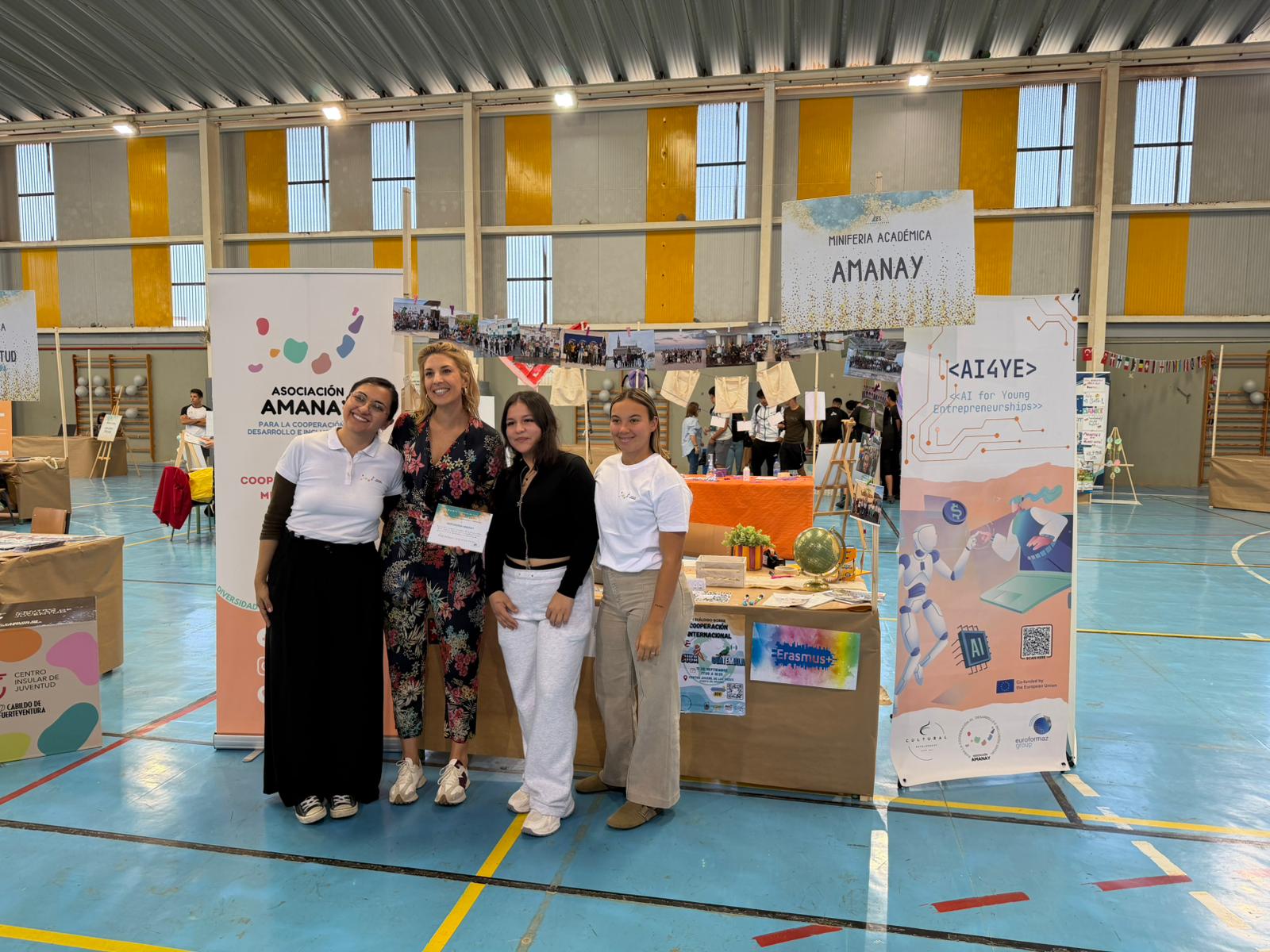
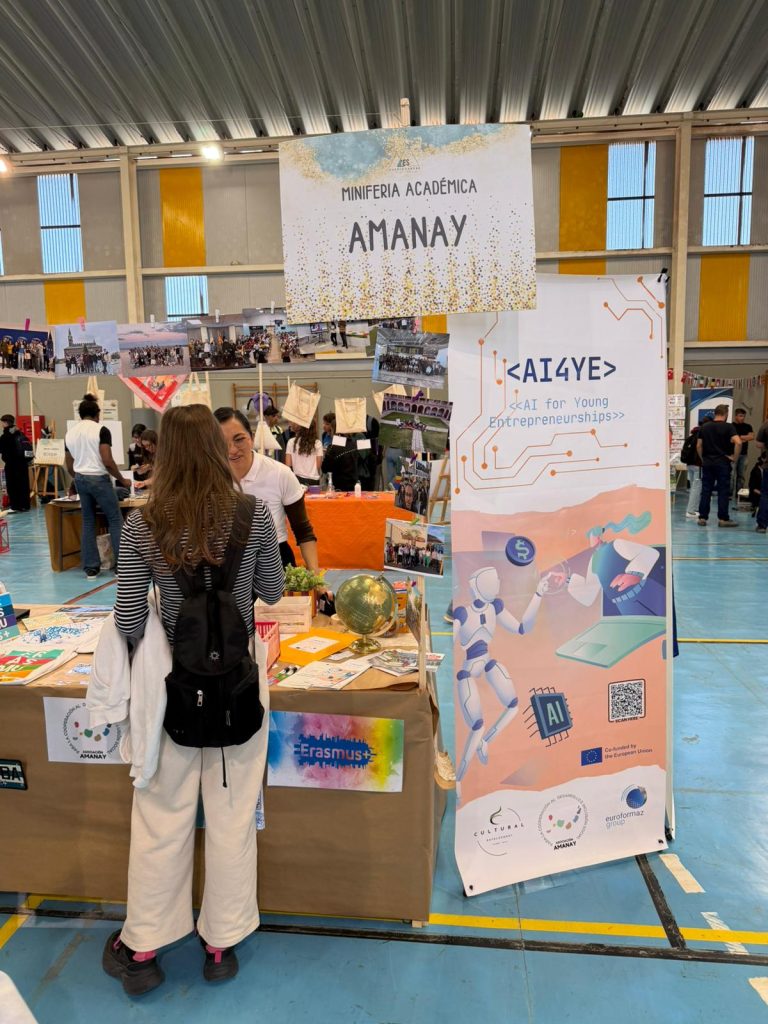
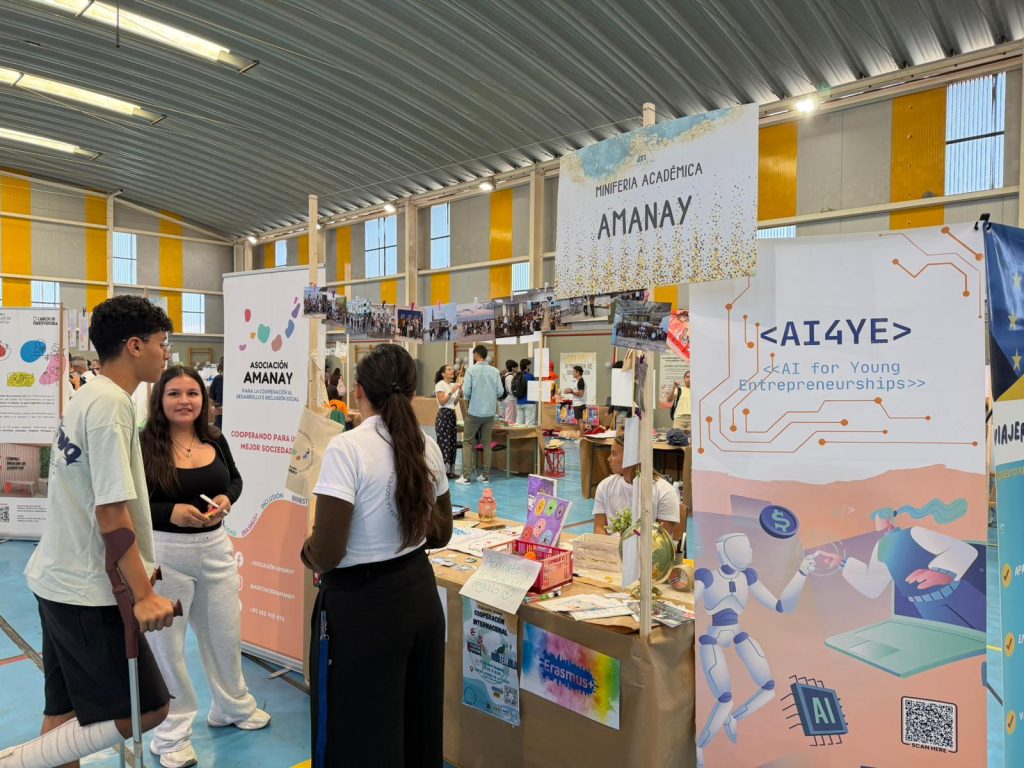
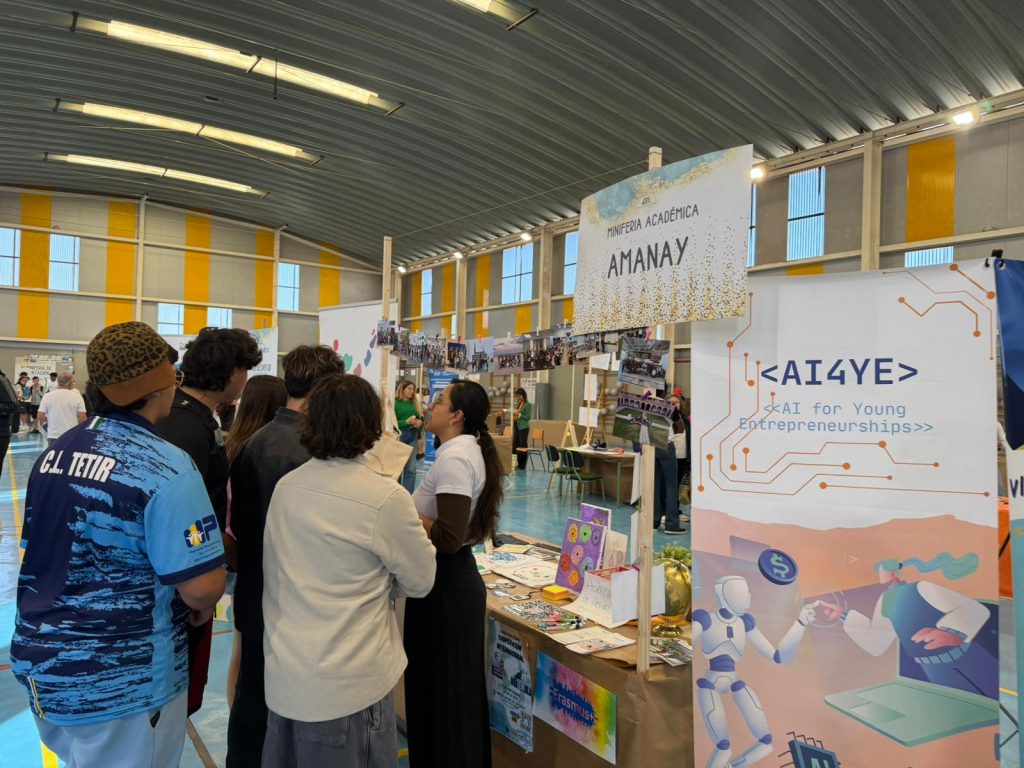
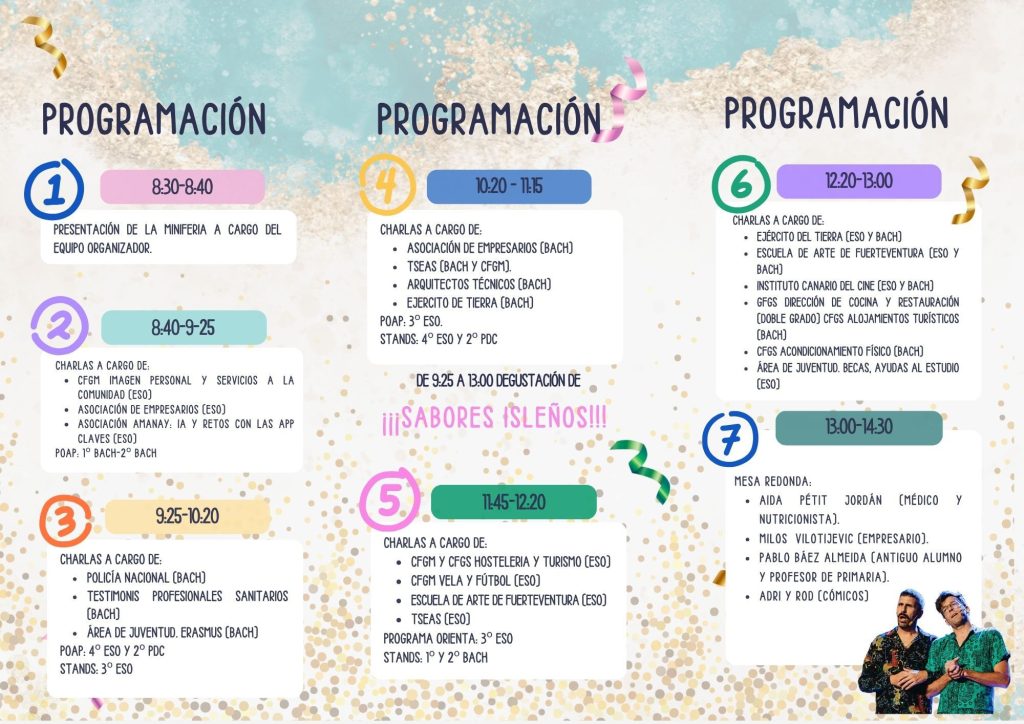
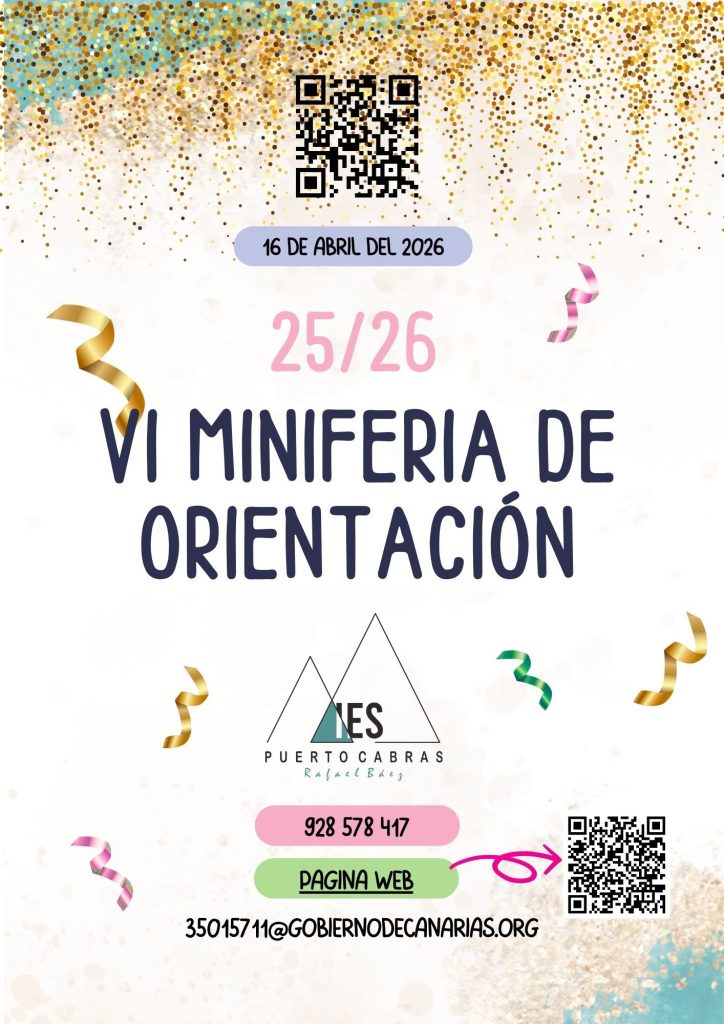
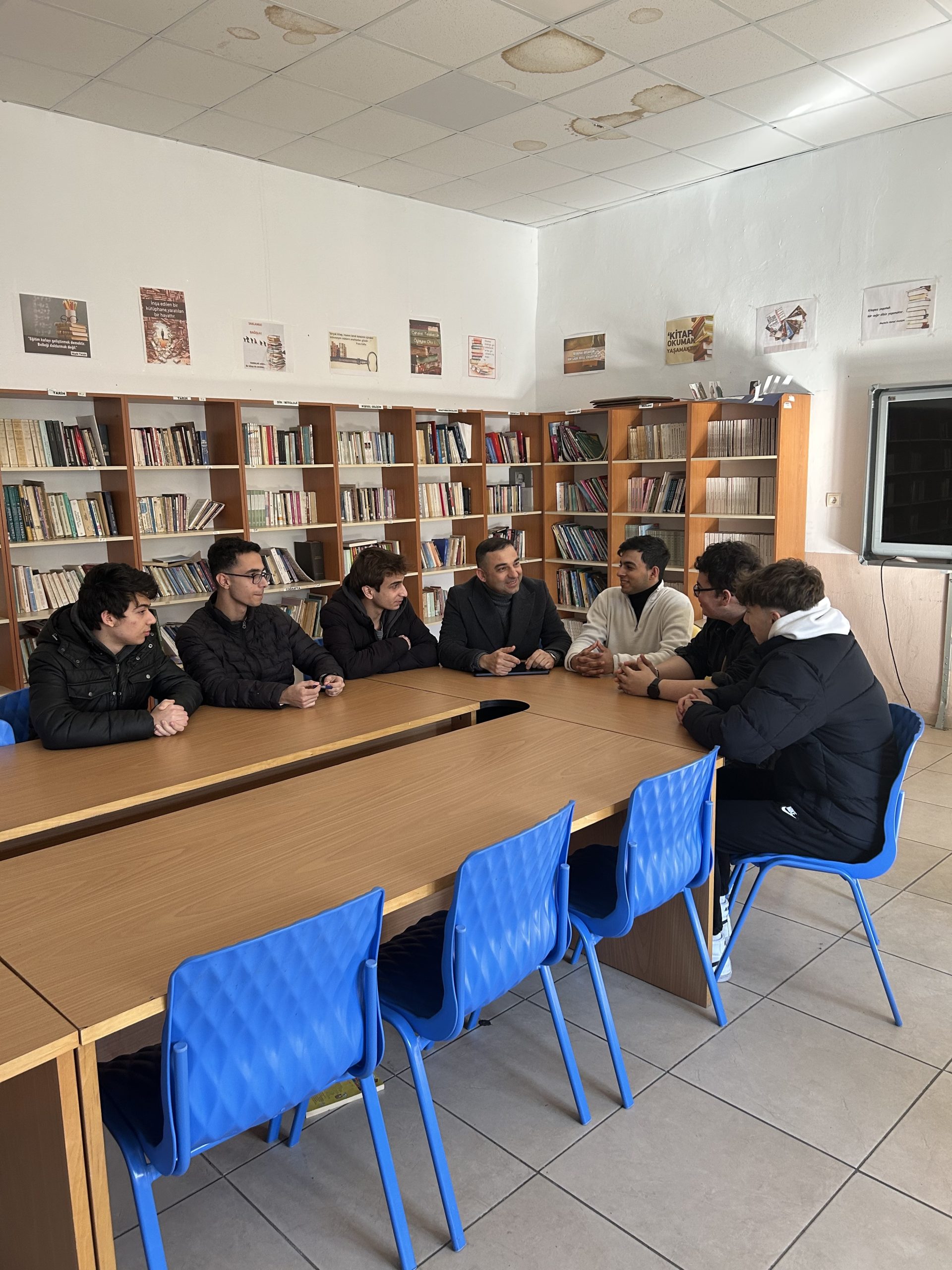
On April 16th, we had the great luck of participating in the 6th Vocational Guidance Fair hosted by Rafael Baez High School and Vocational Education Center, in our capital city, Puerto del Rosario.
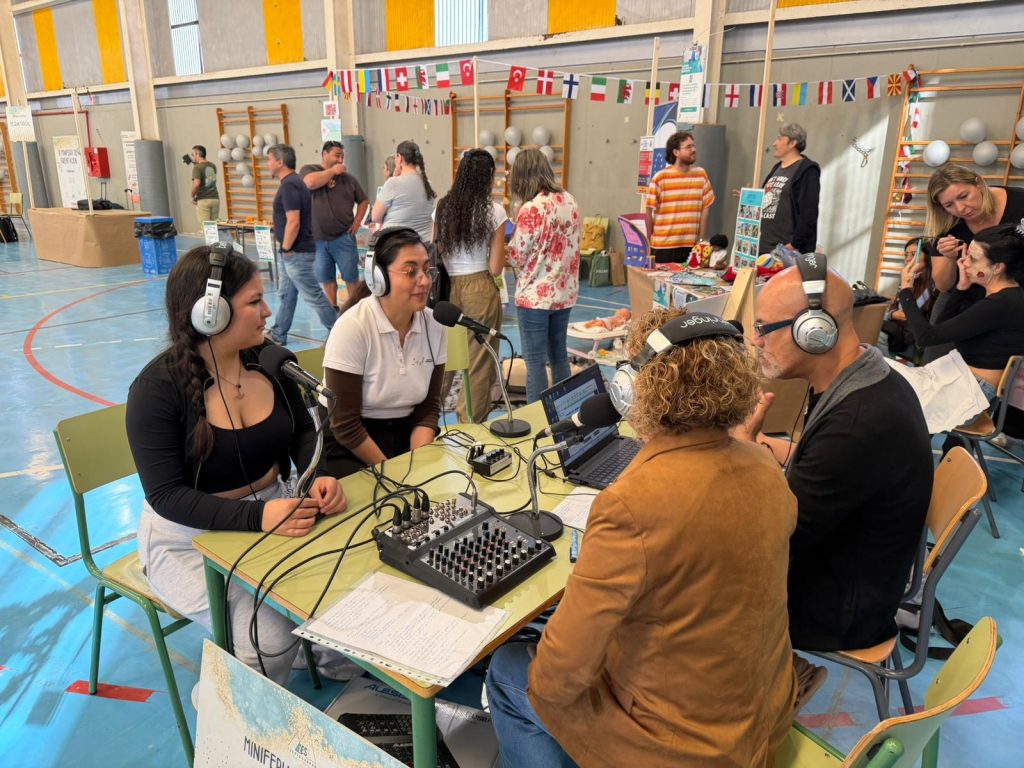
This meeting was very special as if gathered students from seven other educational centers from our Island justs as other organizations that contribute to employability options for youngsters. The fair also promoted all the initiatives of the participant organization through the school podcast, which will be available for other students, teachers, and parents.
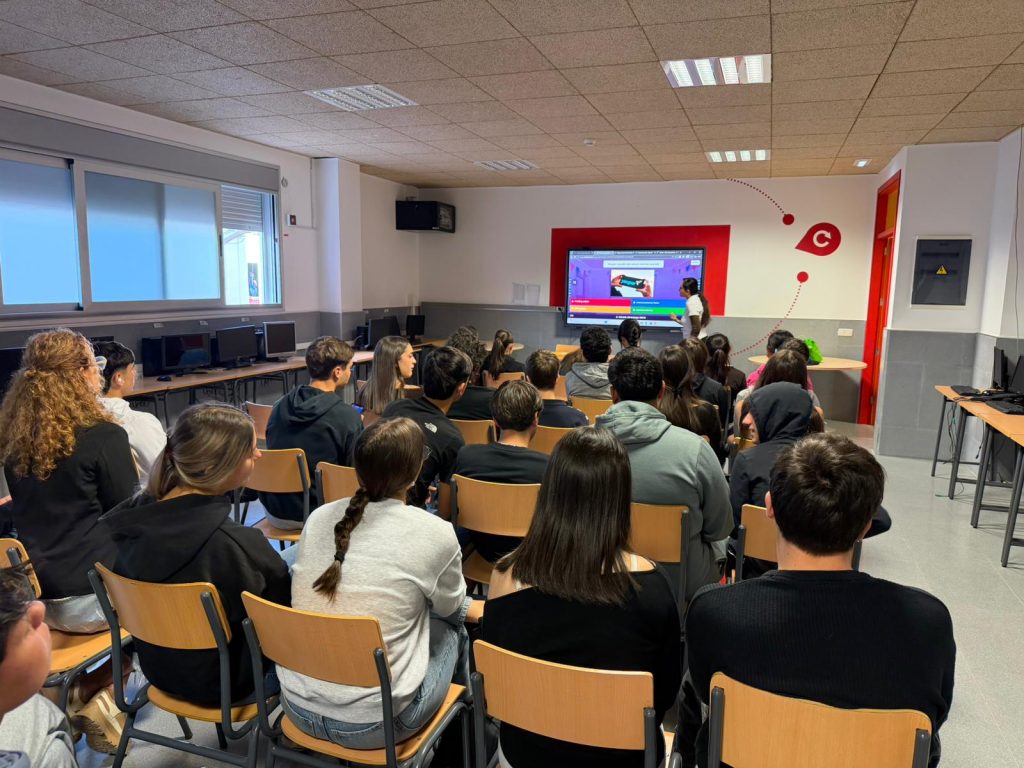
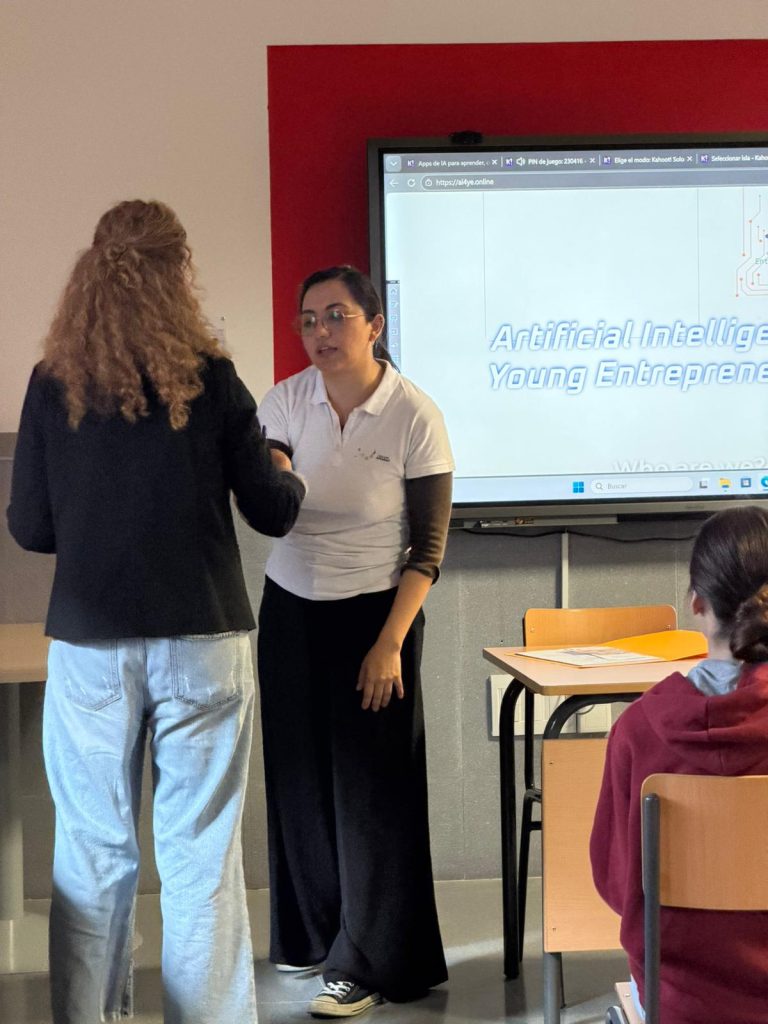
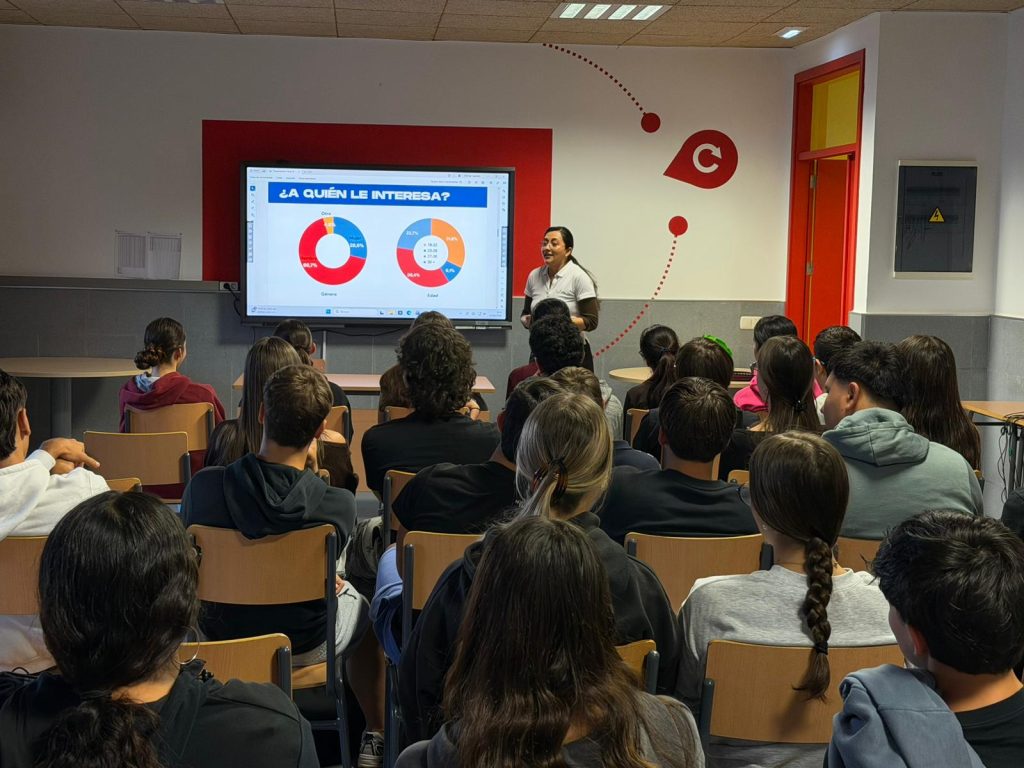
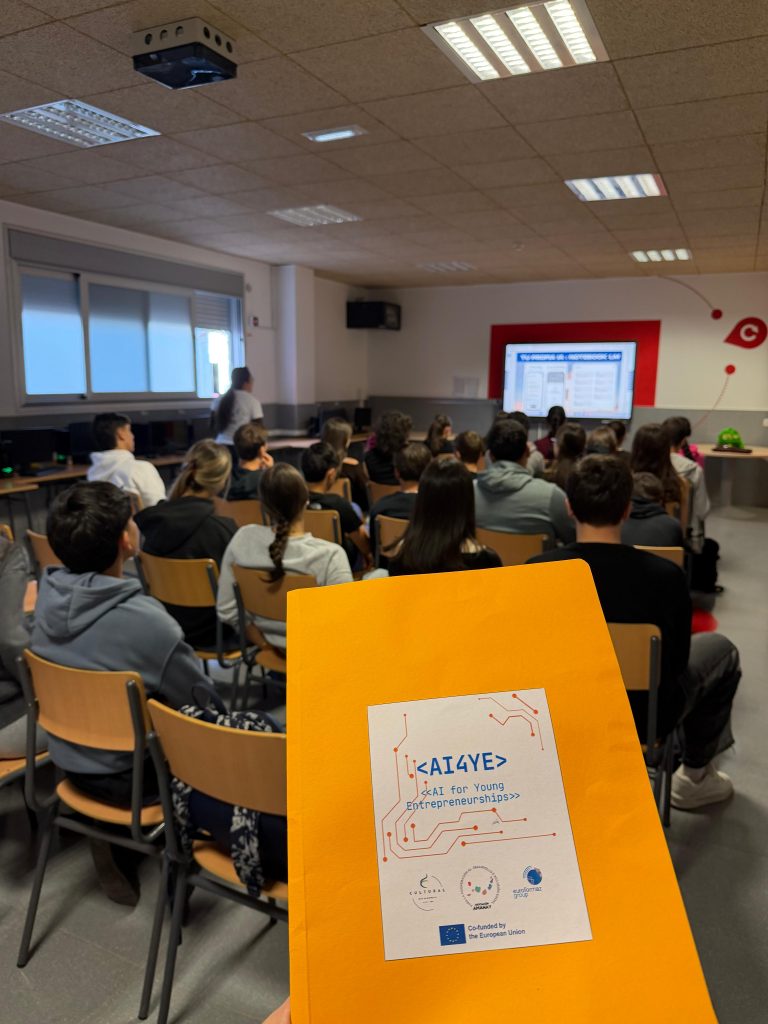
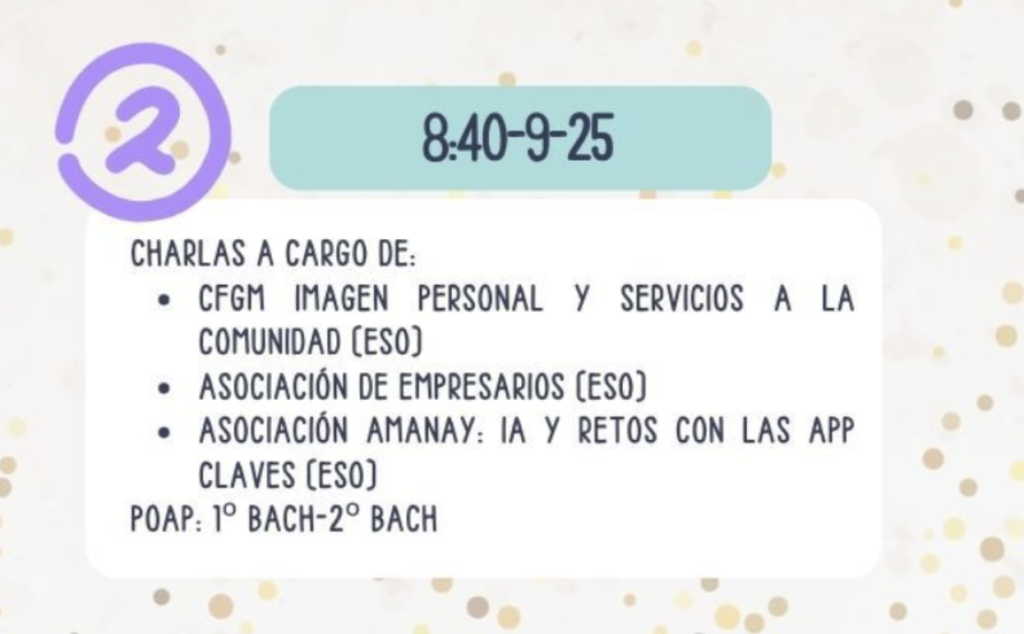
So, what did we do? We started the day speaking to a big group of students and teachers about the basic AI apps they should know about through a small presentation of our field research and an interactive game. We also spent time giving them tips to erase their information from AI-powered tools and debated about the sources of information chatbot interfaces retrieve information from.
The rest of the morning, we engaged with many students interested in how they could use AI in their everyday lives as students but also as athletes, artists, or cooks. They all gave proposals of activities where AI can be used, and also other proposals where AI cannot replace other people. Our perfect break was doing an interview for the school podcast, where we presented what Amanay does, and of course, our current project, AI4YE, which will soon host its dissemination event. An invitation was made to all the teachers and students interested in this topic.
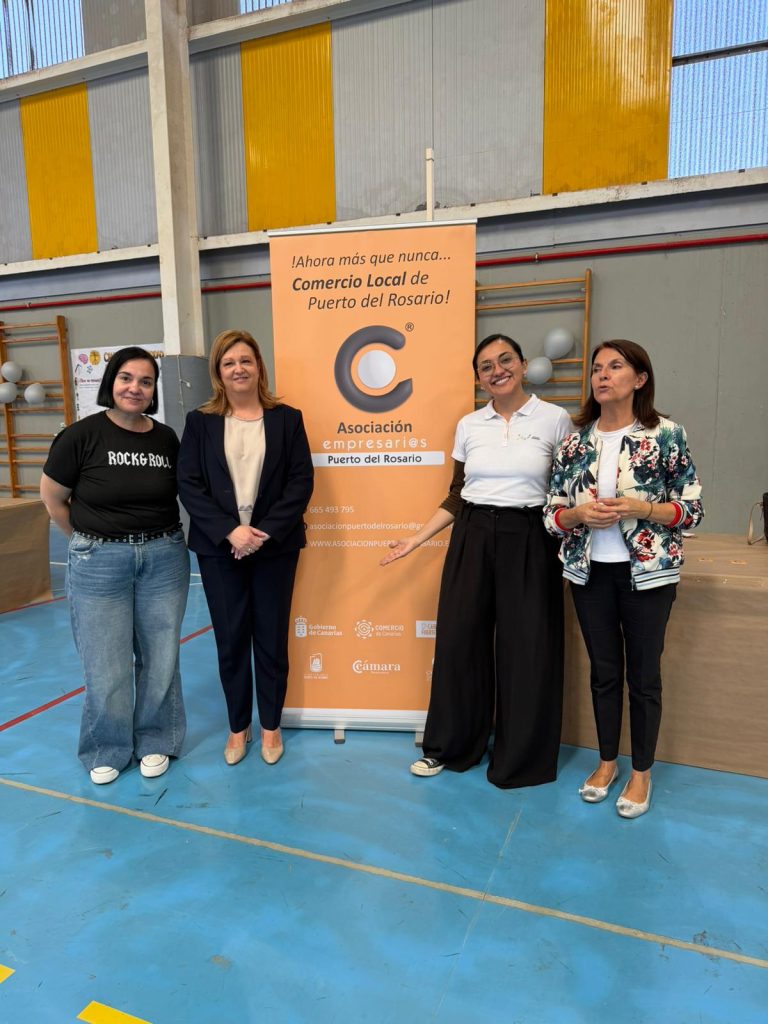
We took the time to share our project with other organizations like Fuerteventura’s Chamber of Commerce, where future entrepreneurs receive legal and economic support to start their businesses. We also approached the Business Owners’ Association of Puerto del Rosario; currently, there are more than 150 small businesses mapped in the capital. Their knowledge was very insightful as they highlighted the importance of activating local businesses through technology. Currently, they are developing an app (PROSA) that dynamizes local consumers with discounts, and provides all the info available to find the shop they need. But, more interestingly, they are incorporating an AI predictive technology that connects consumers and businesses in real time.
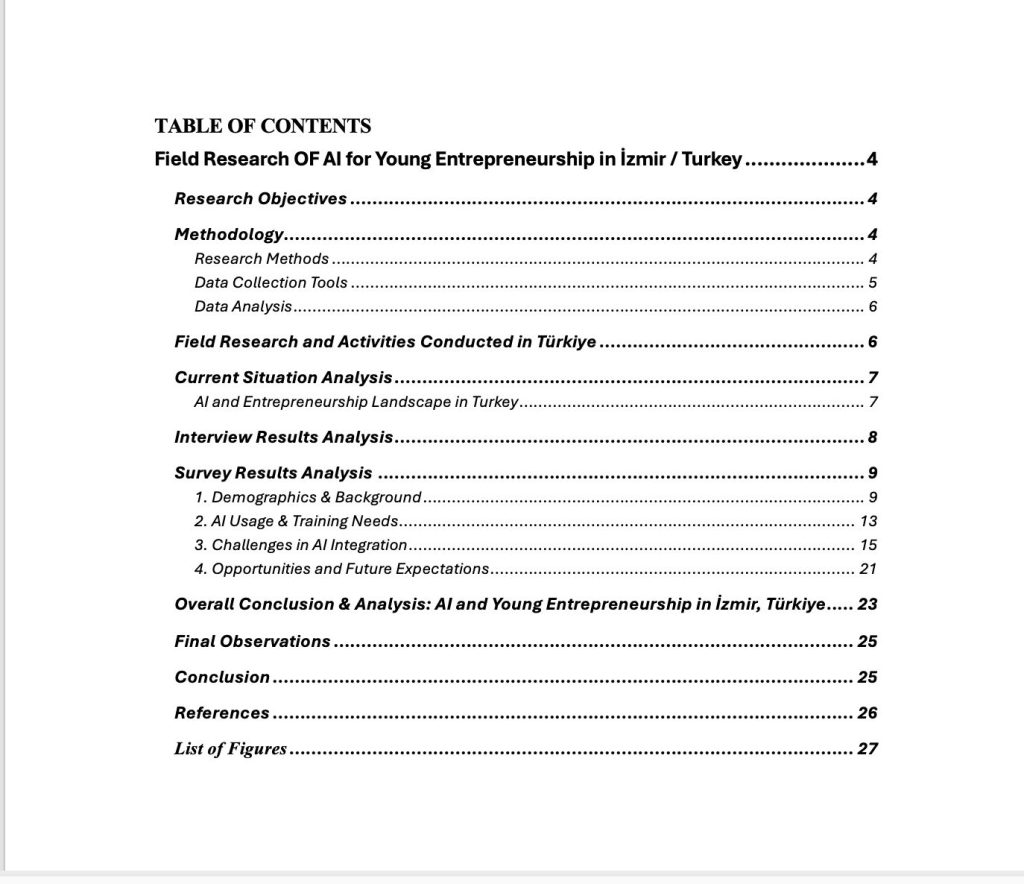
As part of the AI4YE – Artificial Intelligence for Young Entrepreneurship project, co-funded by the Erasmus+ Programme of the European Union, an extensive field research study was conducted in İzmir, Türkiye, focusing on the role of artificial intelligence in youth entrepreneurship.
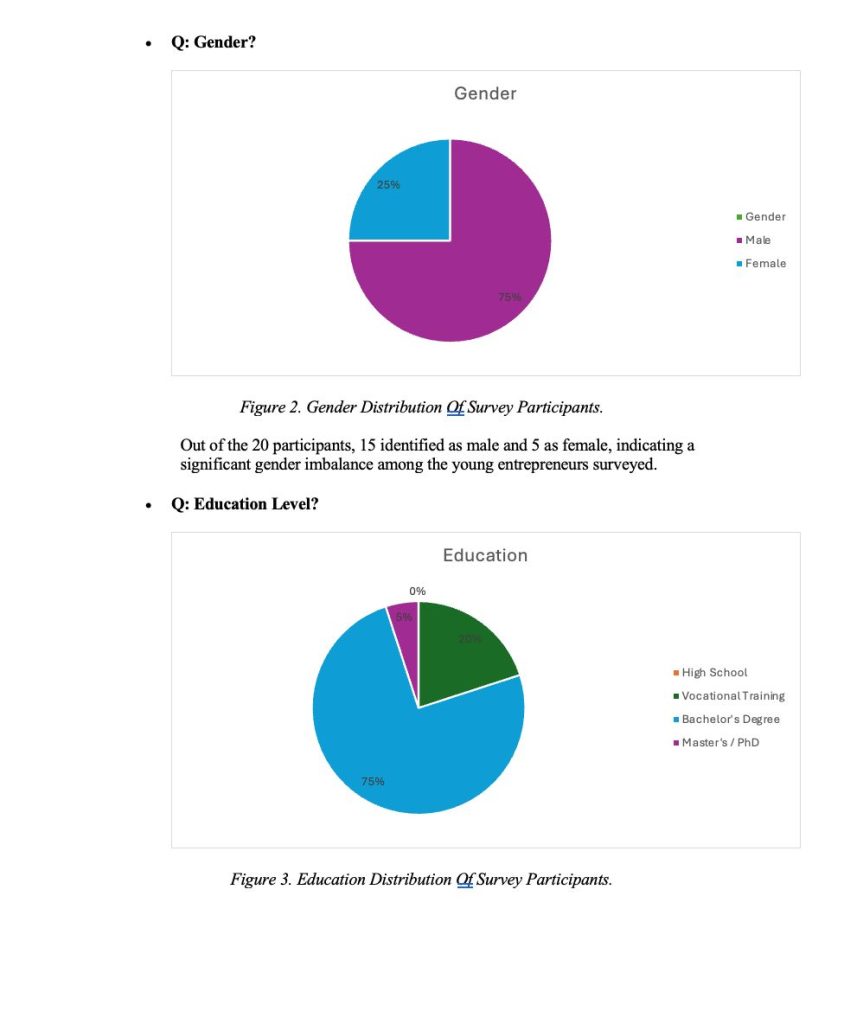
This research brought together with 20 young entrepreneurs aiming to better understand how AI is currently used, what challenges exist, and what opportunities lie ahead.
Why This Research Matters
Artificial Intelligence is rapidly transforming the entrepreneurial landscape. However, understanding how young entrepreneurs interact with these technologies is essential for designing effective support systems.
The AI4YE field research aimed to:
Assess the level of AI adoption
Identify barriers and challenges
Explore opportunities for growth
Provide practical recommendations for policy and education
Main Findings
1. AI is Already a Core Tool for Young Entrepreneurs
75% of participants actively use AI, while the remaining plan to adopt it soon
No participant rejected the importance of AI
AI is no longer optional — it is becoming a standard business tool
2. AI is Seen as a Strong Advantage
100% of respondents stated that AI is beneficial
Key benefits include:
Time-saving
Automation of repetitive tasks
Better decision-making
Improved marketing performance
AI is clearly perceived as a growth accelerator
3. Major Barriers Still Exist
The biggest challenges identified were:
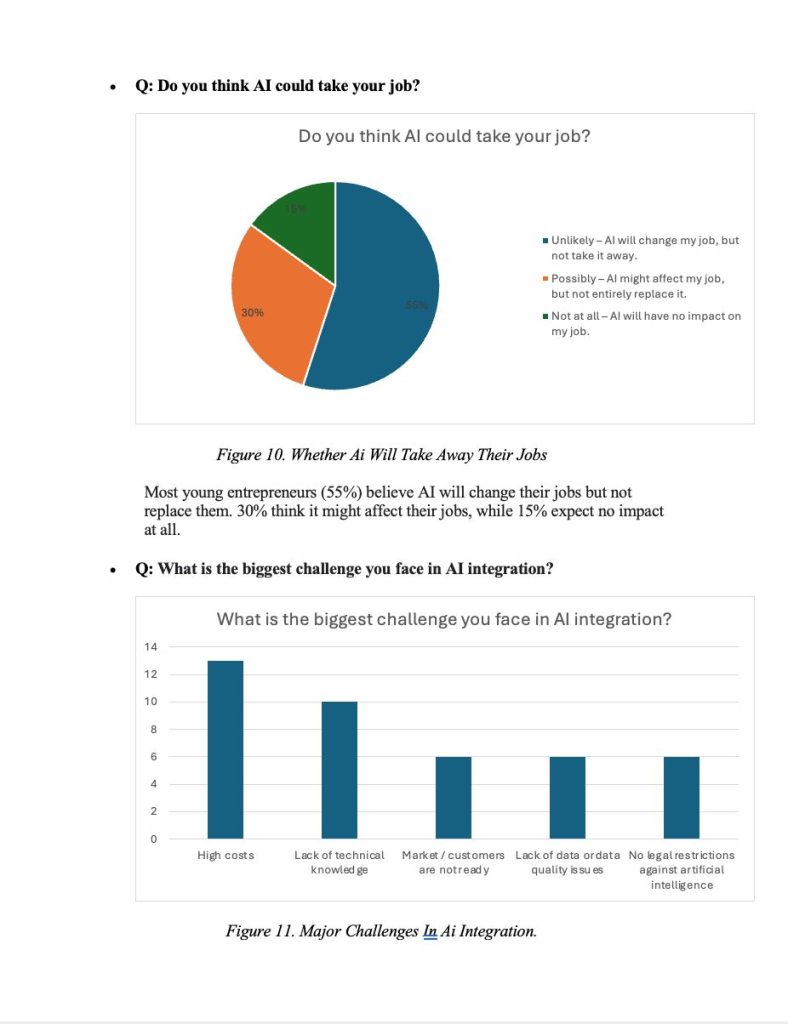
High implementation costs (65%)
Lack of technical knowledge (50%)
Data quality and legal uncertainty
These barriers show that access to AI is still uneven and limited
4. Strong Demand for Practical AI Training
Young entrepreneurs expressed the need for:
AI-powered marketing training
Technical knowledge (machine learning, data analytics)
Legal and ethical guidance
There is a clear shift from theory to hands-on, practical learning needs
5. AI is Driving Business Growth
Participants highlighted that AI:
Improves operational efficiency
Enhances customer experience
Supports data-driven decision-making
Enables small businesses to compete with larger companies
AI is becoming a competitive equalizer in the market
6. Ethical and Sustainability Awareness is Still Developing
Most participants are aware of AI’s impact
However, only a small portion actively considers ethical and environmental implications
This highlights a critical need for responsible AI education
7. The Ecosystem is Growing — But Not Enough
Majority opinion: “Growing, but not sufficient”
Entrepreneurs call for:
Financial support
Better infrastructure
Public-private collaboration
Early-stage AI education
Türkiye is at a turning point in AI entrepreneurship
Field Activities and Real-Life Insights
The research included workshops with students and young entrepreneurs, interviews with AI experts and startup founders, company visits, surveys, and focus group discussions. These activities provided real-world insights into how AI is shaping entrepreneurial ecosystems in Türkiye.
Conclusion
The AI4YE field research in İzmir reveals a clear reality:
Young entrepreneurs are ready for AI, but they need support, training, and access.
With the right ecosystem, Türkiye has the potential to become a key player in AI-driven entrepreneurship, turning local innovation into global impact.
About the Project
AI4YE – Artificial Intelligence for Young Entrepreneurship is an Erasmus+ project aiming to empower young entrepreneurs with AI knowledge, tools, and practical skills across Europe.
We held a very special workshop with members of the Amanay Association, focusing on the basic skills needed to start 3D printing, not only for entrepreneurship but also to help others.
We are preparing for the final phase of our project, where we dive into the ethical considerations surrounding the use of AI. As this is a very broad topic, we found a friendly way to tackle the conversation of how we use AI for positive business cases.
Fuerteventura 3D solutions is an entrepreneurship idea led by a young boy from Fuerteventura Island who discovered 3D printing after joining a makers community. He is now designing with AI, making professional design accessible to all.
For this reason, we held a Workshop on 3D printing 101, where we learnt about:
The origins of 3D printing
The main uses of this technology nowadays
What do we understand by AI
How can AI help 3D design
Examples of designing for accessibility
Before our workshop, we held an intergenerational afternoon in which our members spent time with a lovely group of elderly people. This helped us understand better how we, as entrepreneurs, can design for accessibility.
During our 3D printing session, we discovered different websites and platforms to start such as:
Printables.com
Tinkercad.com
Figuro.io
Sketchfab.com
Whether we design on our phone, a tablet, or a computer AI features help us transform pictures into computer designs that can be modified within seconds.
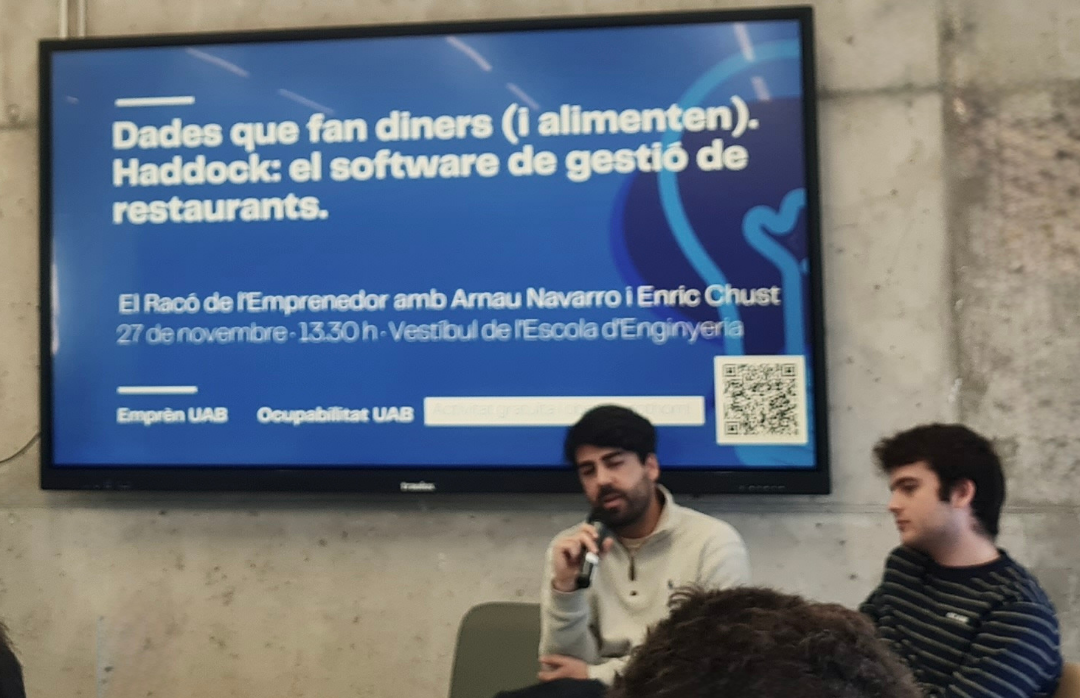
On November 27, Asociación Amanay attended a talk at the Autonomous University of Barcelona (UAB) with Arnau Navarro, co-founder and CEO of Haddock, and Enric Chust, AI engineer. Under the title “Data that makes money (and feeds). Haddock: restaurant management software”, they shared his innovative vision for digitalization and automation in the restaurant sector.
What is Haddock? Haddock is a Software as a Service (SaaS) platform designed to help restaurants and bars improve business management and control costs with the use of AI. The platform works through an app. By taking a picture of invoices and delivery notes, it automatically extracts information and provides real-time income and expense data. This allows managers to track price variations, detect errors, and have instant financial control without waiting for month-end accounting.
Fina: Their Digital Agent At the core of Haddock is Fina, a virtual AI agent that automates administrative and financial tasks. Fina reviews invoices, cross-checks them with delivery notes, and detects discrepancies such as incorrect prices or duplicate charges, saving hours of work for the team. This enables restaurant professionals to focus on cuisine, service, and strategic decision-making, while Haddock handles repetitive and time-consuming processes.
Outcome Haddock is not about replacing people—it’s about creating a synergy between humans and technology. Thanks to this innovation, restaurants can work more efficiently, reduce invisible losses, and better adapt to economic challenges such as inflation or managing multiple locations. Since its founding during the pandemic, Haddock has grown rapidly, gaining clients like Flax&Kale, Crep Nova, and Isabella’s, as well as acclaimed chefs who trust the platform to optimize their operations.
What’s next?
After joining the Y Combinator accelerator in 2022 and closing a €1 million funding round, Haddock has expanded in Spain and Portugal with the goal of becoming a European reference in restaurant management software. Its mission is to help restaurant owners make smarter decisions, save time, and improve the efficiency of their businesses.
It was inspiring to see firsthand how technology can free up restaurant teams’ time and help them make strategic decisions with real-time data.
AI is Changing the World! Artificial Intelligence is shaping the future, transforming industries, and enhancing creativity like never before. From AI-powered tools for businesses to concerns about privacy and authenticity, the conversation around AI is more vibrant than ever! Here are some news about AI.
Artificial Intelligence (AI) continues to reshape the digital landscape, with significant developments impacting social media platforms. A recent investigation has uncovered a surge in AI-generated influencers on Instagram, where deepfake technology is used to create lifelike personas that monetize stolen content. This trend has adversely affected genuine creators, leading to decreased engagement and income. WIRED
In response to the growing influence of AI, Meta Platforms has appointed Clara Shih, former AI chief at Salesforce, to lead its new Business AI group. This strategic move aims to make advanced AI accessible to businesses, enhancing platforms like WhatsApp, Instagram, and Facebook.
Additionally, Strava has updated its API terms to restrict third-party apps from displaying users’ activity data to others or using data for AI and machine learning purposes. This change, effective November 11, 2024, seeks to enhance user privacy and control. THE VERGE
These developments highlight the dual-edged nature of AI in social media, offering innovative tools for businesses while raising concerns about privacy, authenticity, and the impact on genuine content creators.
What do you think about the growing role of AI in our lives? Share your thoughts below!
Explore the world of AI with us and stay updated on cutting-edge innovations.
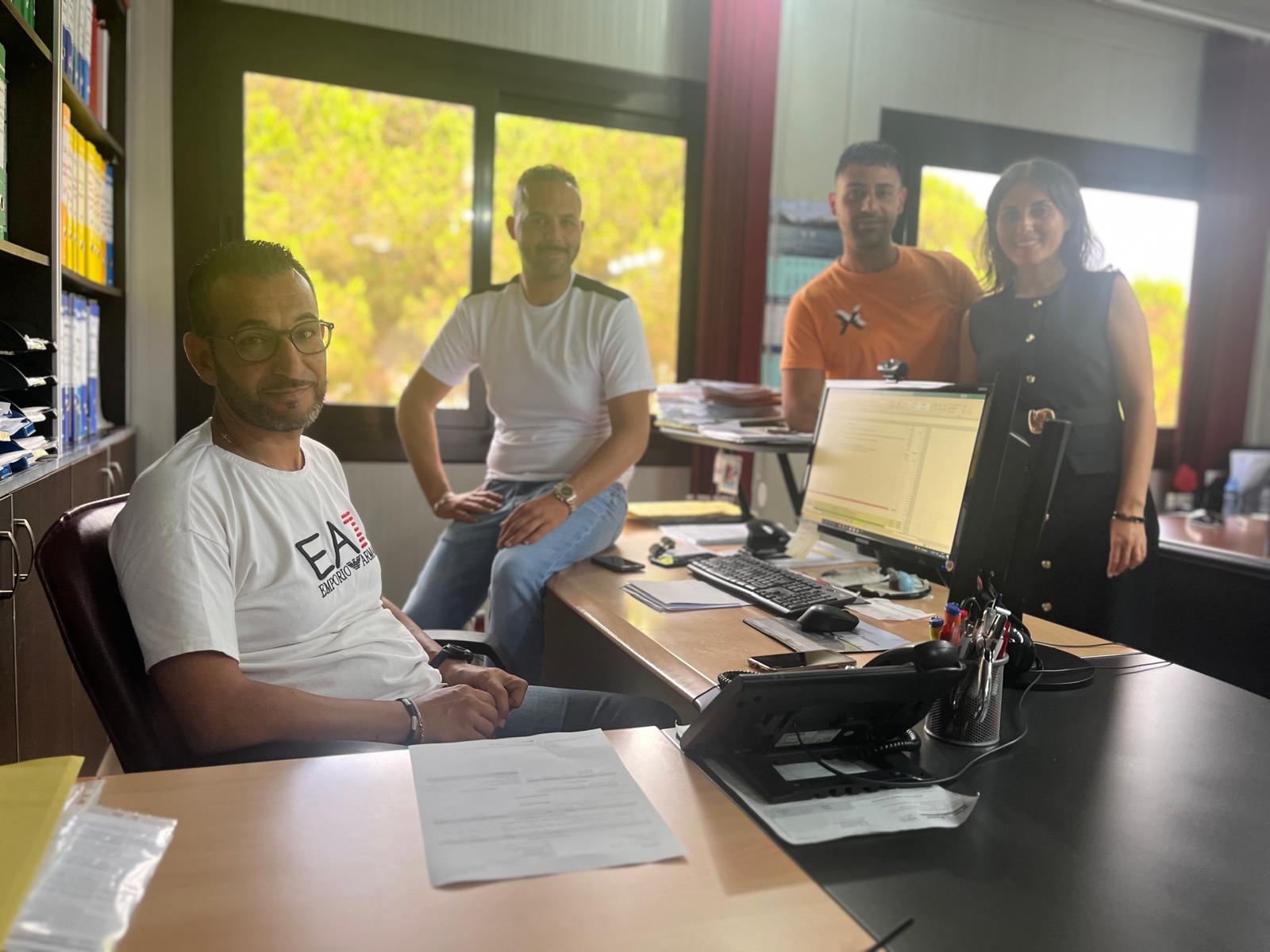
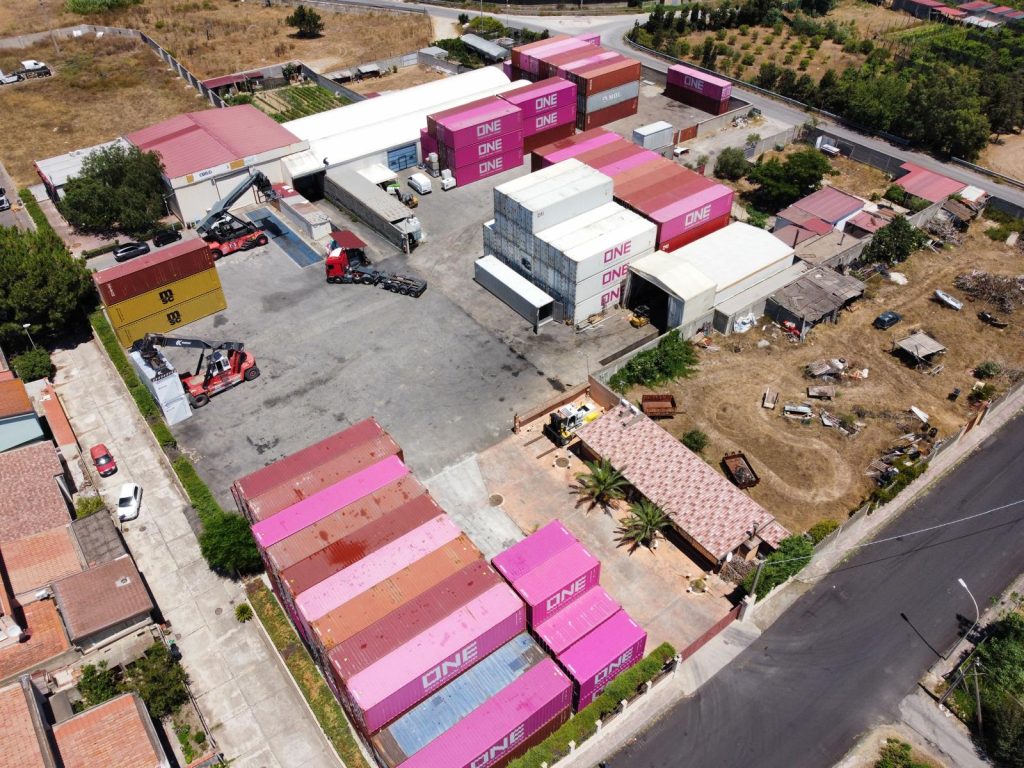
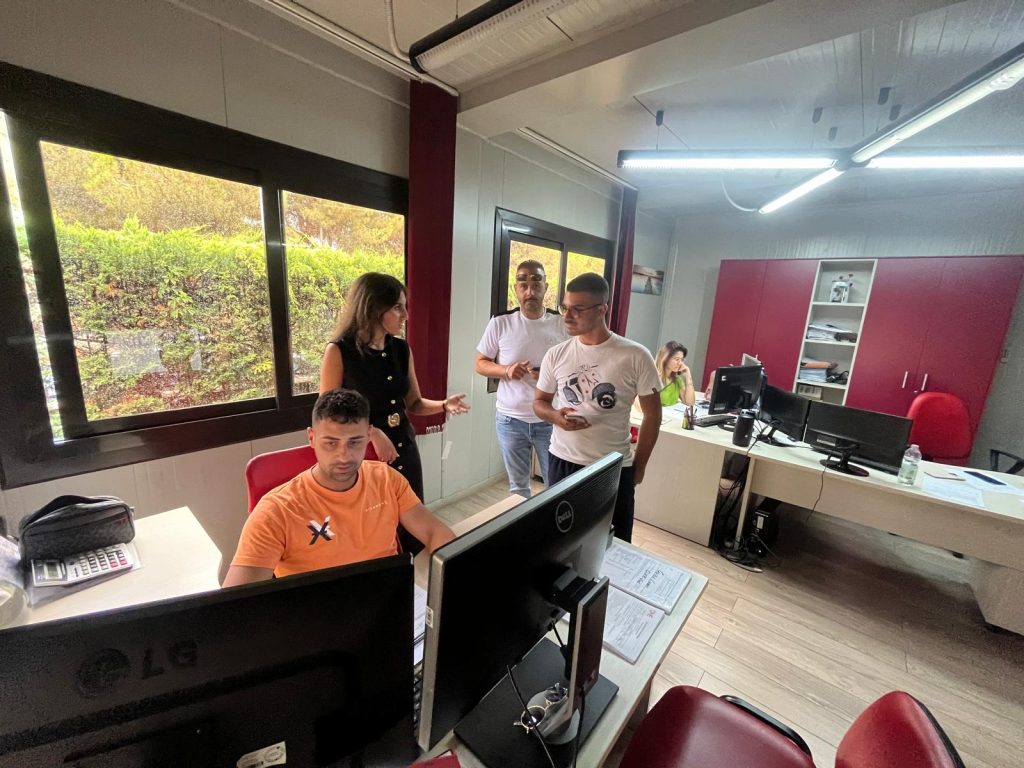
As part of the Erasmus+ AI4YE (Artificial Intelligence for Young Entrepreneurs) project, a company visit was organized at Eurotransit Group Srl, a national and international container shipping company based in San Ferdinando, near the port of Gioia Tauro, one of the main logistics hubs in the Mediterranean.
The visit provided an important opportunity to learn more about intelligent logistics and the practical application of artificial intelligence in freight transport and management. Eurotransit collaborates with major operators in the sector, including Ocean Network Express (ONE), the seventh-largest shipping company in the world, which has initiated the large-scale adoption of smart containers equipped with IoT and AI technologies, real-time tracking systems, and advanced sensors developed in partnership with Sony Network Communications Europe.
Eurotransit Group is integrated into this technologically advanced supply chain, operating nationally and internationally with tracking and management systems that leverage data generated by these technologies. This approach enables more transparent, efficient, and sustainable logistics, where artificial intelligence is central to predictive analytics, route optimization, and proactive shipment management.
Another key aspect of the visit was the interaction with young entrepreneurs and professionals who actively contribute to the company’s growth, demonstrating how innovation is not only technological but also cultural and generational. This experience strengthened the connection between technology and youth entrepreneurship, offering a concrete example of how artificial intelligence can create new economic and professional opportunities through the integration of intelligent systems in key sectors such as logistics, in line with global digital transformations, becoming role models for a modern, competitive, and forward-looking economy.
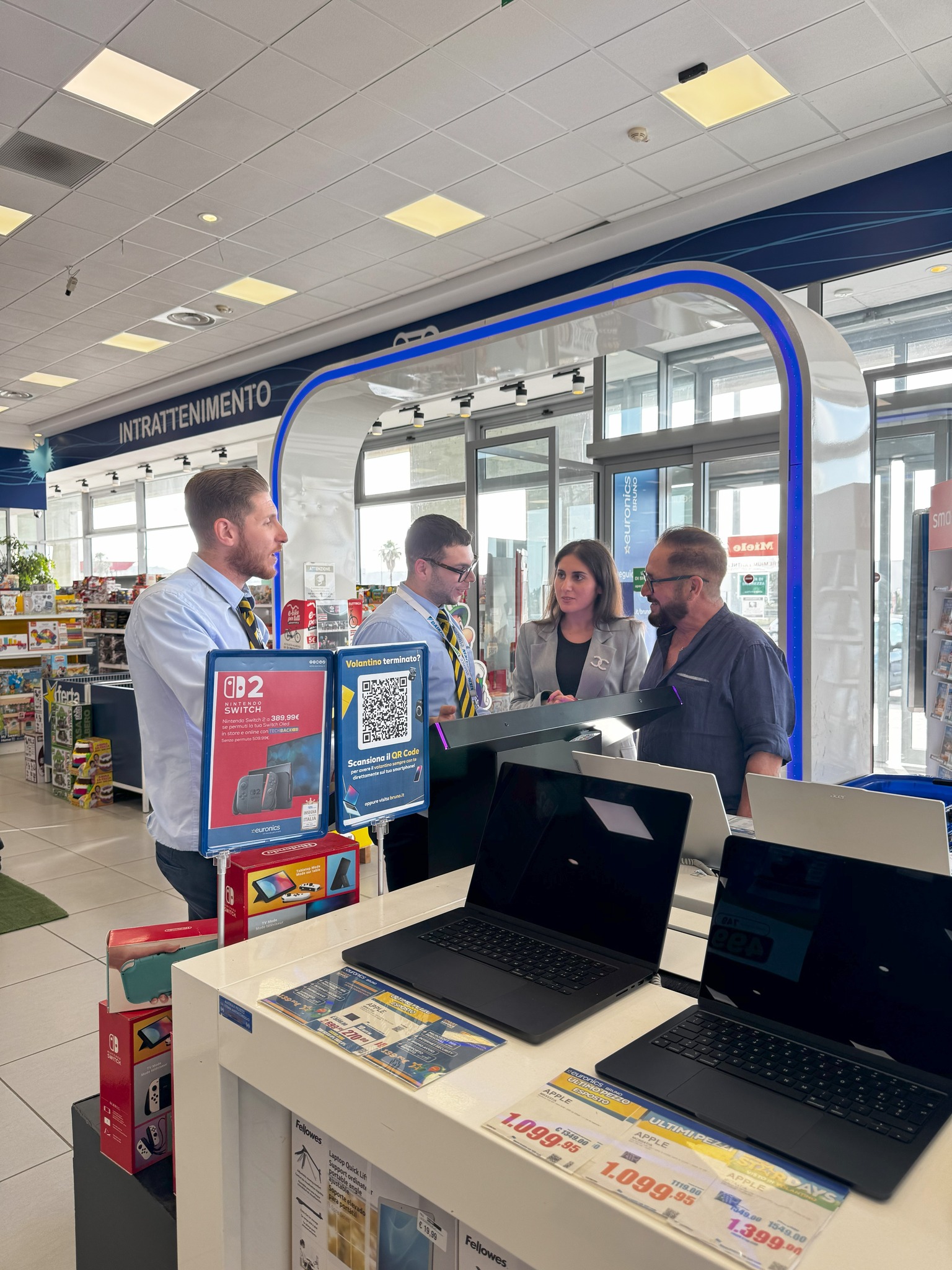
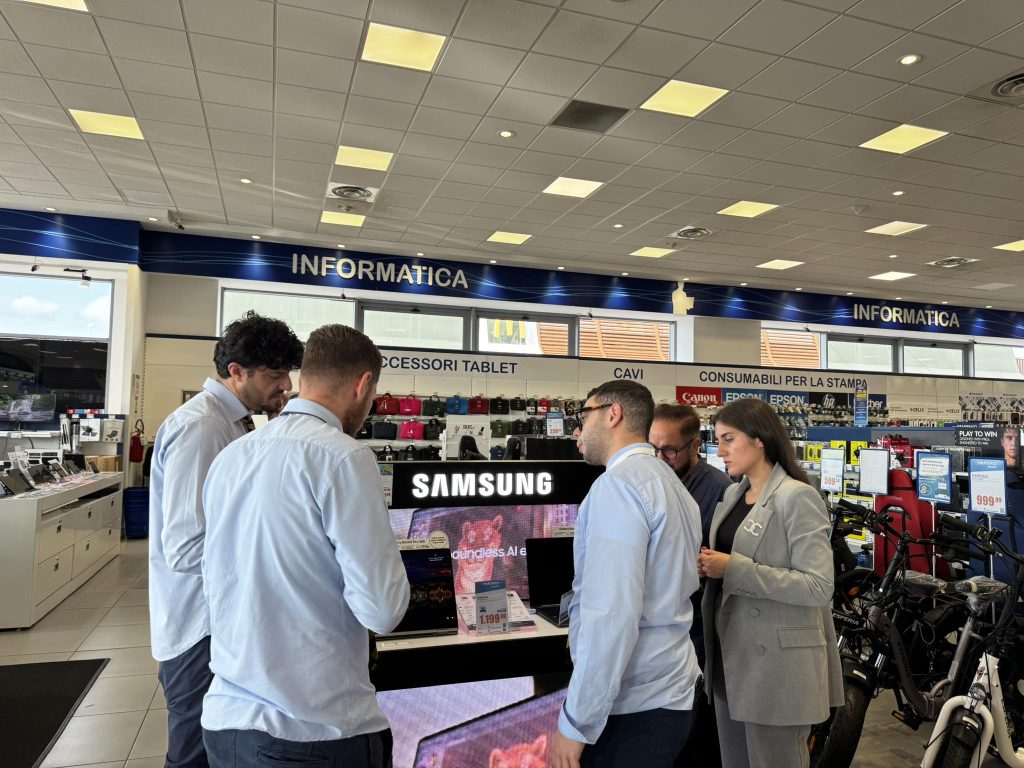
As part of the Erasmus+ AI4YE project, a company visit was organized at the Euronics store in Gioia Tauro, to explore the concrete applications of artificial intelligence (AI) to innovate and improve business management.
During the meeting, it was possible to observe how AI is already used in various areas of business management, demonstrating its versatility and ability to support multiple business functions. From resource planning and optimization to logistics and warehouse management to marketing and sales data analysis, artificial intelligence allows for faster decisions based on precise information, thus improving operational efficiency and customer satisfaction. This integrated approach also promotes a greater ability to adapt to market changes and specific consumer needs.
In particular, the following aspects were explored in depth:
• Intelligent warehouse management, with systems capable of monitoring stocks in real time and forecasting demand, optimizing reorders and reducing waste;
• Advanced analysis of sales data, thanks to software capable of identifying consumer trends, customer behavior, and product performance;
• Personalization of offers, through algorithms that suggest targeted promotions based on the preferences and purchasing history of each customer;
• Customer loyalty, through more engaging purchasing experiences, proactive assistanc,e and predictive marketing tools.
During the visit, it was possible to see how artificial intelligence is integrated into the technological products sold by Euronics. In particular, the effectiveness of smart appliances was shown — such as refrigerators and washing machines — which adapt their operation to the user’s habits to save energy and optimize performance. Furthermore, the technology present in televisions with integrated voice assistants, capable of responding to voice commands and personalizing the viewing experience, and in PCs that use artificial intelligence systems to improve security and processing speed, was presented.
This visit highlighted how artificial intelligence is revolutionizing business management in major companies such as Euronics, significantly improving key processes and increasing competitiveness. Furthermore, the fundamental role of AI in the technology sector has emerged, both in optimizing business activities and in the development of intelligent products that improve the daily experience of consumers.
AI is also becoming a powerful ally in the fight against climate change and for global sustainability. With AI optimizing resources and processes, the future could be greener and more sustainable.
Here are some of the most interesting news on how AI is helping to safeguard our planet:
1. AI for Renewable Energy: Optimizing Consumption and Production 🌞⚡
Renewable energy, such as solar and wind, is essential to reducing our dependence on fossil fuels, but their production is variable. AI helps to predict the availability of renewable energy, optimize resource management and improve grid efficiency. Companies like Google and Microsoft are using AI to reduce the energy consumption of their data centers.
2. AI and waste management: A step towards the circular economy ♻️
AI is improving waste management, optimizing recycling processes and reducing waste. Machine learning algorithms can improve the separation of recyclable materials and monitor waste flows, making the process more efficient and less polluting.
3. Smart Agriculture: AI for more sustainable food production 🌾🌍
Artificial intelligence is transforming agriculture, optimizing the use of resources such as water and fertilizers, and monitoring soil health. Predictive analysis techniques allow farmers to obtain better crops, minimizing environmental impact.
4. AI and monitoring natural resources: Protecting the environment in real time 🌳🌍
AI is being used to monitor natural resources and prevent environmental damage. AI-powered drones and satellites can detect threats such as illegal deforestation or marine pollution, allowing timely interventions.
5. AI and Sustainable Transport: Low-Emission Mobility 🚗💨
AI is also contributing to the transition to electric vehicles and sustainable fleet management. It optimizes urban traffic, improving the efficiency of public transport and reducing traffic pollution.
6. AI in Smart Cities: Smarter and More Sustainable Cities 🏙️💡
Smart cities are emerging as models of sustainable urbanization, where artificial intelligence plays a fundamental role in the management and optimization of urban services. From water and energy management to reducing air pollution, smart cities use sensors, real-time data and AI to improve quality of life, reduce costs and optimize transportation. Advanced AI systems can efficiently manage urban mobility, improve waste management and reduce energy consumption, making cities more livable and sustainable.
What do you think about the growing role of AI in sustainability? What other areas do you think could benefit from these innovations? Let’s talk about it in the comments! 🌱✨